
Why Businesses Choose Flexible Hiring Solutions
Cost Efficiency Without Capital Outlay
Capital locked inside machinery cannot work anywhere else. This truth pushes many South African enterprises toward equipment and plant hire. The purchase price is only the first cost. Idle machines, hidden maintenance, and steady depreciation consume resources long after the initial transaction. Flexible hiring solutions dismantle that burden. A hire agreement converts a fixed asset into a variable expense. Consider what such an agreement returns to you.
Cash remains liquid for operational demands.
Maintenance and storage burdens rest with the supplier.
Machinery can be swapped to suit each project.
The demand for a sizable upfront payment disappears when you hire. You pay for the machinery only for the days you use it. This is cost efficiency without capital outlay. From our yard, we see the relief when a contract ends and the machine returns without further obligation. In an unpredictable economy, the ability to return equipment once the work concludes provides a measure of control.
Access to Latest Technology
There is a quiet revolution happening in the way South African firms approach their machinery. The pace of technological change in this sector is staggering. A machine purchased today can feel outdated within a single contract cycle. Newer models arrive with enhanced telematics, better fuel efficiency, and automated systems that reduce operator fatigue. The gap between the old and the new widens with every passing quarter.
For many, the choice of equipment and plant hire is a direct answer to this problem of obsolescence. It grants access to the very latest innovations without the anchor of long-term ownership. You can deploy a cutting-edge excavator for a specific dig, then switch to a more advanced compactor for the next phase. This agility allows your operation to remain at the forefront of efficiency. Why purchase a machine that will sit in the yard while a superior version is already on the market?
When you hire, you are not just renting a tool. You are buying a skillset and a maintenance standard that often exceeds what an in-house team can provide. The supplier invests in the upkeep and the technical know-how. Your team learns on the newest interfaces, which is a valuable form of staff development. Consider the hidden advantages:
– Access to zero-hour machines with the latest safety features.
– No commitment to a single technology for years on end.
– The ability to bid for specialist projects that require specific, modern machinery.
This model also solves the issue of the “hangar queen,” the machine that sits idle waiting for a part or a service technician. When you rent, the risk of downtime is transferred. If a unit fails, a replacement is usually arranged without a lengthy procurement process. In the high-stakes environment of construction deadlines, this reliability is priceless. It is the difference between a seamless operation and a stalled project.
The financial logic is clear, but the operational logic is even stronger. We see clients who use hiring as a strategic tool to test new machinery on their actual terrain. They gather real data on performance and fuel burn before making any long-term decisions. In an industry where margins are tight, having this level of insight without a massive capital commitment is a distinct advantage. The future belongs to those who can adapt quickly, and the ability to switch technology at a moment’s notice is the ultimate adaptation. The yard is no longer a storage space for depreciating assets; it is a portal to the next generation of equipment and plant hire solutions.
Scalability for Project Demands
A construction firm’s workload seldom moves in a straight line. One month you are managing a residential build, the next you have secured a commercial contract that demands triple the fleet capacity. Owning machinery cannot respond to such swings. This is where equipment and plant hire becomes a strategic lever.
Scalability is not simply about adding more machines. It is about matching your fleet to the exact phase of a project. Early groundwork requires different assets than finishing trades. Hire gives you the freedom to adjust weekly, without the burden of selling excess units later.
Consider these practical advantages:
- Rapid deployment of extra machines for peak periods
- Ability to return units when a phase concludes
- Access to specialised machinery for short-term tasks
The result is a fleet that breathes with your project pipeline.
Key Categories of Machinery and Equipment Available
Earthmoving and Excavation Equipment
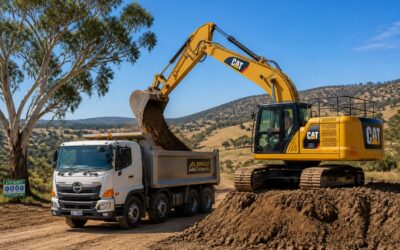
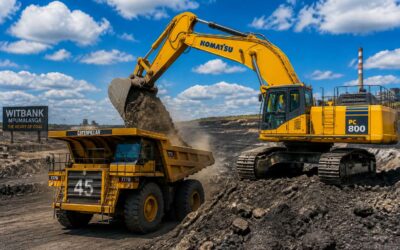
The most introspective moment on any project arrives when you face the raw earth and ask what it will take to move it. Earthmoving and excavation equipment forms the physical backbone of construction, mining, and infrastructure development across South Africa. The choice of machinery often dictates the rhythm and pace of an entire operation.
For contractors, the decision between purchasing outright or leveraging equipment and plant hire services often hinges on the specific demands of the terrain. Excavators, ranging from compact units for urban trenching to massive machines for open-cast mining, offer varying degrees of precision. The real value lies in matching the machine’s capacity to the job’s psychological demands, not just its physical requirements.
Consider what you might need on a typical site:
– Hydraulic excavators for digging and material handling
– Bull dozers for grading and pushing large volumes of earth
– Motor graders for fine grading and road levelling
– Articulated dump trucks for hauling over challenging terrain
The psychological weight of a stalled project due to a broken down machine is immense. A fleet that remains agile and responsive to site conditions is the goal. When you use equipment and plant hire, you gain access to well maintained machinery that has been selected for its reliability. This approach ensures your operation maintains momentum, allowing you to focus on the execution of the build rather than the anxiety of breakdowns. The machinery you choose must work in concert with your team to create a productive and safe environment.
Lifting and Access Platforms
Falls from height remain a leading cause of construction accidents, which is why access platforms deserve consideration. The categories vary, but a few stand out:
- Scissor lifts for straightforward vertical access
- Boom lifts for reaching over obstacles
- Mast climbers for moving heavy materials up facades
Each machine behaves differently. A telescopic boom offers long horizontal reach, while an articulating version folds around eaves. Selecting the wrong one causes delays. This is where equipment and plant hire proves useful. You can trial a machine on your actual site before committing to a purchase. One week on a cramped urban site reveals whether a narrow tracked lift works or sends you searching for alternatives. The right access platform turns a hazardous job into standard procedure. The wrong one turns that procedure into a crisis.
Construction and Compaction Tools
Construction and compaction tools form the unseen backbone of site preparation. A plate compactor seems mundane, yet its rhythm decides whether your ground settles or stands. I have watched crews pour concrete onto poorly compacted soil, then return to fix hairline cracks weeks later. The psychology of neglect runs deep, but the remedy is simple. Rent before you commit. That is where equipment and plant hire saves the project. You test a single-drum roller or a vibrating rammer on your actual soil type. No two grounds behave alike. Sand compacts differently from clay. A heavier machine can overdo it, while a light one wastes your afternoon.
Consider the categories:
- Reversible plate compactors for tight trenches
- Walk-behind rollers for asphalt patches
- Trench rammers for narrow, deep spaces
Each piece demands a specific touch. Getting that choice wrong inflames your schedule with rework, not just costs.
Generators and Power Distribution
South Africa loses more than just light when the grid coughs. Load shedding has taught us to respect the humble watt. A diesel generator without a distribution plan leaves the best prepared site sitting in the dark. Smart site managers treat equipment and plant hire as a study in anticipation, not desperation.
The spectrum of power machinery calls for deliberation:
– Silent generators for suburban boundaries and quiet office parks
– Towable lighting towers that turn night into a working day
– Load banks for testing and commissioning
Distribution requires equal attention. Cabling must match the generator’s temperament, and phase balancing becomes a matter of manners. A site that fights over extension cords is a site that fails. Rent the right feeder pillars and distribution boards, and your team drinks hot coffee instead of swallowing dust.
How to Select the Right Plant Hire Partner
Assess Equipment Condition and Maintenance Records
Every hour a machine sits idle carries a cost, whether the machine is owned or rented. Selecting a plant hire partner in South Africa begins with evidence, not promises. The state of any fleet appears in its maintenance records.
Ask for full service histories, then walk the yard yourself. Inspect hydraulic hoses for cracking. Listen to engines during cold starts. Compare hour meters against documented usage. A reputable provider hands over records without hesitation!
- Service intervals on file
- Recent repair invoices available
- Breakdown response times explained
When suppliers hide maintenance logs, trouble follows. The right equipment and plant hire partner treats transparency as standard practice. Documentation builds trust more reliably than any verbal assurance.
Verify Certifications and Insurance Coverage
Certification paperwork tells you how a supplier handles risk before you sign anything. I always ask for proof of COIDA compliance, public liability coverage, and operator certifications. The equipment and plant hire you bring onto your site must meet legal standards, and these documents confirm it.
Verify each certificate against its issuing body. Check expiry dates and policy limits. Confirm that the insurance covers the machines you intend to rent. A single uninsured incident can halt a project for weeks.
- Valid COIDA letter of good standing
- Public liability insurance with current premium receipts
- Operator competence certificates for each machine type
Your supplier should produce these documents without a pause. If they hesitate, that hesitation is your answer. The right partner makes certification visible because it protects both of you.
Evaluate Delivery and Support Services
Choosing the right equipment and plant hire partner involves more than comparing rates. Delivery and support often separate a dependable supplier from a frustrating one. A partner who commits to a delivery window and actually meets it saves your site from idle hours. I have watched projects stall because a loader arrived a day late, and that delay rippled through every downstream task. The right partner communicates proactively about transport logistics, site access, and weather delays.
Support extends beyond the initial drop-off. When evaluating equipment and plant hire partners, response times for breakdowns, backup machine availability, and after-hours contact protocols reveal how a supplier handles pressure. A local depot and a dedicated service team offer more value than a cheaper quote from a distant company. When your excavator stops working at noon, you need a plan, not a promise.
Compare Pricing Structures and Transparency
Pricing in equipment and plant hire often appears straightforward until the invoice arrives. A quote that lists only the daily rate omits transport, operator overtime, or fuel surcharges. Ask every supplier to itemise each line. Transparent partners disclose maintenance schedules and penalty clauses before you sign.
South African sites bring their own variables. Distance to the depot, load shedding timetables, and terrain all shift the final number. Beware of quotes that push risk onto you through vague phrases like “additional charges may apply.”
A dependable hire partner should provide:
- A written breakdown of rates per machine
- Clear definitions of operating hours and overtime
- Fuel and consumable policies
- Termination or extension conditions
This clarity prevents disputes. A supplier willing to explain every line item gives you confidence that the invoice matches the job.
Check Availability of Specialist Attachments
A standard digging bucket cannot crack a dolerite dyke. I have seen a project stall for a week because the chosen equipment and plant hire provider lacked the specialised tool required for the specific geological formation. The machine itself was flawless, but the attachment inventory was hollow.
When evaluating partners, push past the machine list and demand specifics on their attachment fleet. Do they own rock breakers, hydraulic augers, or tilt rotators? Ask to see the actual unit, not just a photo on a brochure! A partner with a robust on-site stock saves you costly downtime. In South Africa, terrain shifts rapidly from clay to hard rock, so the difference between a pinned bucket and a quick-coupler system often decides your productivity curve. If the supplier hesitates on the availabilities, that hesitation is your answer.
For crucial tasks, verify they stock:
- Scrapers and compaction wheels
- Demolition grapples
- Vibro rippers
This level of detail separates logistics companies from true equipment and plant hire partners. I gauge their integrity by their readiness to deploy these tools without a drawn-out procurement chase; a true partner keeps these assets on standby for the unexpected.
Understanding Hire Rates and Contract Terms
Daily, Weekly, and Monthly Rate Variations
Rates rarely match the simple arithmetic you’d expect. In my years arranging equipment and plant hire, I’ve learned that a weekly rate might be four days’ worth of daily pricing, not five, because suppliers factor in downtime for servicing.
Monthly terms often include a fixed number of operating hours, and exceeding that limit triggers overtime charges. The variation between daily, weekly, and monthly rates reflects logistics, insurance, and the opportunity cost of the machine sitting idle.
- Daily rates are higher per hour but offer ultimate flexibility
- Weekly rates reduce mobilisation costs for mid-length projects
- Monthly rates provide the best value for steady utilisation
Contract terms also specify who handles transport, refuelling, and breakdown repairs. Read the fine print about public holidays, because South African long weekends can inflate your effective cost if the clock keeps running.
Hidden Charges and Damage Waivers
Most operators focus on the headline rate, but the real cost of equipment and plant hire often lives in the fine print. I have seen invoices where damage waivers, delivery fees, and cleaning charges quietly added 30% to the quoted figure. That is the difference between a profitable project and one that bleeds margin.
Damage waivers deserve particular attention. They protect you from liability for wear and tear, but only if you understand what counts as acceptable wear. A scratched bucket edge might pass, while a bent one will not. Read the waiver carefully and ask about tyre and track damage.
Contract terms also govern administrative costs. Some suppliers charge separately for environmental compliance or disposal. To avoid surprises, itemise these before signing:
– Excess amounts on damage waivers
– Environmental or waste disposal fees
– Admin charges for late paperwork
These hidden costs accumulate quickly. Always confirm what the weekly rate includes, because the cheapest quote can become the most expensive contract.
Minimum Hire Periods and Cancellation Policies
Minimum hire periods are where many project budgets quietly unravel. A supplier quotes a daily rate that seems reasonable, but the contract locks you into a four week minimum. That changes everything. If your task needs ten days, you still pay for twenty eight. This reality is common across equipment and plant hire in South Africa, especially for earthmoving machinery.
Cancellation policies carry their own weight. Some operators demand seventy two hours notice, others seven days. Miss the window and you pay a full week on idle equipment. Consider these when comparing quotes:
- Minimum hire duration per item
- Notice required for early return
- Penalty for late cancellation
- Whether weather delays reset the clock
Every hour of negotiation before signing saves you from paying for machines that sit silent on site. Read the rental period definitions twice. Ask what happens when rain halts production. The answers often reveal the true shape of the contract, and that shape determines your real cost.
Transport and Collection Logistics
The cheapest hire rate in South Africa can become the most expensive once transport enters the calculation. Equipment and plant hire rates shift with the calendar, the region, and your project’s duration. Construction season pushes demand up, and prices follow. Some suppliers lock fixed rates for long contracts; others tie pricing to diesel costs.
Transport and collection logistics carry their own arithmetic. An attractive hire rate falls apart if moving the machine from depot to site costs more than the rental itself. You pay for fuel, driver time, and a lowbed truck. Some contracts include a delivery radius, then add per kilometre charges beyond it. The rate table and transport schedule belong to the same document, yet many read one and ignore the other.
The true cost of equipment and plant hire emerges only when both sections receive equal attention.
Operator Requirements and Training Responsibilities
The rate card rarely reveals the final cost. For equipment and plant hire in South Africa, the signed contract sets out the real obligations: who pays for fuel, who covers routine maintenance, and which party absorbs the cost of an idle machine during rain delays. Operator requirements add further variables. Many hire agreements for equipment and plant hire demand a certified machine operator on site, yet training and certification often fall to the client.
Some suppliers include a trained operator in the daily rate; others require written proof of competency before the machine leaves the depot. Safety inductions, site-specific training, and valid licences should be confirmed before the machine starts work. A checklist helps:
- Confirm fuel and consumables terms
- Verify operator certification and medical fitness
- Clarify who provides PPE and site supervision
Each clause shapes the final invoice.
Fuel and Consumables Ownership
Fuel is the line item most contractors underestimate. In equipment and plant hire, the daily rate rarely states who owns the diesel bill. Some contracts bundle fuel into the rate, others charge it separately, and a few require the client to refill the tank before return. I have watched project margins dissolve over a single fuel clause.
Consumables follow the same logic. Grease, filters, hydraulic oil, and wear parts like cutting edges can appear on the final invoice if the contract stays silent.
- Confirm whether the rate includes fuel or deducts it per litre
- Check who replaces consumables during the hire period
- Establish the refuel condition for machine return
Each answer changes the total cost. Equipment and plant hire contracts reward clients who read the fuel clause twice.
Safety, Compliance, and Operator Training Essentials
Legal Obligations for Hire Equipment
South African law treats hire equipment as a shared legal burden. The Occupational Health and Safety Act places duties on the supplier and the renter, and inspectors increasingly scrutinise operator competence and machine certification. A machine without a valid Certificate of Conformity can halt a project instantly.
Training means more than holding a licence. Operators must be trained on the specific model they operate, since control layouts and safety systems vary across manufacturers. Regular training updates matter too, as lapsed skills contribute to many site incidents.
- Verify the Certificate of Conformity and inspection records are current
- Confirm operator training matches the exact machine class and model
- Ensure site induction covers emergency procedures and hazard communication
When dealing with equipment and plant hire providers, request documented proof before signing. The legal responsibility does not transfer with the keys.
Pre-Hire Inspections and Documentation
Before any machine arrives on site, a thorough pre-hire inspection sets the tone for the entire job. I always walk around the unit myself, checking for hydraulic leaks, worn tyres or tracks, and signs of hurried repairs. The paperwork matters just as much. A hire agreement without clear service histories is a risk you carry alone.
For equipment and plant hire, documentation is your proof of diligence. Ensure the operator’s manual is present and the maintenance log matches the hours on the meter. These records reveal more than any verbal promise.
- Confirm safety guards and emergency stops function correctly.
- Check that test certificates are dated within the valid period.
- Verify the pre-inspection report was completed before dispatch.
Operator training remains a live requirement. Ask for proof that each operator has been assessed on that exact model, beyond a generic licence. Compliance lives in these details, and they cost nothing to verify.
Site-Specific Risk Assessments
Every site changes by the hour. Ground shifts, weather moves in, and the equipment and plant hire you chose yesterday may not fit today’s reality. A site-specific risk assessment keeps you honest.
It requires looking at actual terrain, worker proximity, and blind spots that only exist on that particular morning. It means checking whether the access road can carry the machine’s weight and whether the operator understands the location’s specific hazards. In the equipment and plant hire sector, skipping this step costs lives.
- Identify ground conditions and load-bearing surfaces.
- Map pedestrian routes and exclusion zones.
- Review weather forecasts and visibility limits.
Training turns the assessment into action. The operator must see the hazard before it becomes an incident. Compliance is a live obligation; the moment a risk changes, the assessment changes too. That is how a site stays safe.
Certified Training and Competency Verification
Statistics from the Department of Employment and Labour show that operator error remains the primary driver of plant-related incidents in South Africa. That reality places a significant strain on every equipment and plant hire agreement. A valid operator card does not equal proven competence.
Compliance under the Occupational Health and Safety Act requires verifiable evidence that the certification matches the specific machine being deployed. The moment a worker switches from a wheel loader to a crane, the previous training loses its value. I always check for the following before any machine moves:
- Certification currency and the issuing body’s accreditation status
- Operator familiarity with that machine’s control layout
- Recent practical assessments, completed outside classroom hours
Competency verification is a live practice, not a paperwork exercise. It demands that the operator physically demonstrates safe operation under the exact conditions of the hire. That means testing blind spot awareness, load handling, and shutdown procedures every time the ground or weather conditions change. For any equipment and plant hire contract, this verification is non-negotiable.
Maximising Efficiency and Minimising Downtime
Planning Equipment Hire Around Project Phases
On South African sites, the average construction project loses nearly twenty hours each week to equipment that arrives too early or departs too late. The remedy is simple: align every machine with the precise phase it serves.
When you sequence equipment and plant hire around your project timeline, you stop paying for idle machines and eliminate delivery chaos during critical path activities. I have watched contractors shave weeks off schedules by mapping excavation to week one, lifting equipment to week three, and compaction tools to week five.
- Schedule earthmoving machinery for the bulk earthworks phase only
- Bring in access platforms once structural framing begins
- Deploy generators before commissioning stages
This phased approach reduces on-site congestion and keeps every asset working at full capacity. Downtime shrinks when machines arrive serviced and ready exactly when crews need them!
Coordinating Maintenance and Breakdown Support
Coordinating maintenance with your hire provider turns an equipment and plant hire agreement into a predictable workflow. Machines that receive regular servicing between projects perform consistently, so your crew rarely faces an unexpected stoppage. A reliable equipment and plant hire partner tracks service intervals, handles oil changes, checks hydraulic systems, and replaces filters while the unit sits idle.
Breakdown support matters just as much. When something fails mid-shift, response time decides whether you lose a few hours or a few days. The best arrangements include:
- A dedicated contact who knows your site
- Replacement units delivered without waiting for repairs
- Technicians who carry common parts on the first visit
In my experience, this coordination matters more than the machine’s brand or size. You spend less time chasing breakdowns and more time keeping the schedule moving! That is the quiet efficiency that keeps a project profitable.
Implementing a Return and Inspection Process
In equipment and plant hire, the return and inspection process decides whether your next project starts on time or stalls. A clear procedure, agreed on before the machine arrives, prevents disputes and keeps your deposit intact. When the operator and the hire company representative walk the unit together, noting scratches, fluid levels, and hour meter readings, both parties know exactly where they stand.
This handover ritual also reveals hidden wear patterns. In any equipment and plant hire agreement, tyres, buckets, and attachments show the ground conditions they have faced. Inspect them and you learn what to expect on your next hire.
- Book the inspection when the machine is clean, not covered in mud
- Capture time-stamped photos on a phone or tablet
- Confirm fuel levels match the return agreement
The process takes twenty minutes. Skipping it costs days. That small discipline saves hours and money.

0 Comments