
Understanding Large-Scale Equipment Rental
Defining Heavy Machinery Hire for Major Projects
The scale of a mining operation or civil engineering project in South Africa demands machinery that appears almost geological in size. xl plant hire covers this requirement by offering equipment that would bankrupt a single contractor to purchase outright. The arrangement is less about convenience and more about risk redistribution.
Defining heavy machinery hire for major projects requires clarity on what constitutes “heavy.” The term refers to machines that exceed standard construction capacity, requiring specialised transport and operators. A practical definition includes:
- Excavators exceeding 40 tons
- Articulated dump trucks with payloads above 30 tons
- Large dozers for bulk earthworks
These machines shape the decision-making framework of project managers, who must balance hourly rates against the cost of downtime. In high-stakes environments, the choice of supplier becomes a strategic lever with long-term consequences.
Industries That Rely on High-Capacity Plant Solutions
One third of all bulk earthworks in South Africa is powered by rented machinery, according to industry estimates. That scale explains why xl plant hire supports mining, quarrying, and civil engineering. These industries cannot carry the capital weight of heavy fleets when workloads swing quarterly.
Renting high-capacity plant solutions shifts the burden of maintenance, transport, and regulatory compliance onto the supplier. For the project owner, the hourly rate buys certainty. A broken 90-ton excavator becomes the rental firm’s problem, not the site manager’s nightmare. This model thrives precisely because the penalty for downtime in these sectors is astronomical.
Key Differences Between Standard and Heavy-Duty Rentals
Standard rental fleets serve construction sites where a 20-ton excavator handles routine work. Heavy-duty rental involves machines that shift 100 tons of earth per pass. The difference is not merely size, and anyone who has managed a mine site knows it. It affects logistics, fuel consumption, and operator certification requirements.
With xl plant hire, equipment must comply with mine health and safety standards. That means additional inspections, stricter maintenance schedules, and higher insurance premiums. Standard rental agreements rarely include these obligations.
- Abnormal load transport permits
- Site-specific risk assessments
- Dedicated support technicians on call
These factors change the cost structure entirely. A standard rental quote reflects machine availability. A heavy-duty quotation reflects engineering readiness.
When to Consider a Large-Fleet Hire Strategy
In South Africa, a single large earthmoving project can consume 200,000 litres of diesel per month. That figure explains why plant hire decisions are often made at board level, not on site. Understanding large-scale equipment rental, and specifically xl plant hire, means accounting for the full operational chain: delivery logistics, refuelling intervals, and the team that keeps machines running. The machine itself is only one component.
When should you consider a large-fleet hire strategy? The answer is when your schedule has no slack. If a week of rain or a broken hydraulic system stalls your entire contract, you need backup units ready to deploy. For xl plant hire on this scale, you are paying for readiness, not simply availability. I have seen projects where a single excavator failure cost more than the entire monthly rental invoice. That is the moment a large fleet makes sense.
Essential Machinery for Major Construction and Infrastructure
Excavators and Earthmoving Equipment for Bulk Operations
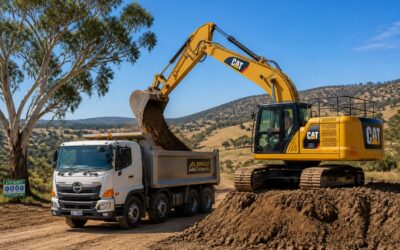
A cubic metre of South African earth weighs more than your bakkie, and shifting it by hand is a path to madness. For major infrastructure projects, excavators and earthmoving equipment for bulk operations are the real workforce. They eat overburden for breakfast and spit out bench cuts before lunch.
The trick is matching machine capacity to the task without overkill. A 30-tonne excavator on a pipeline job is like using a sjambok to swat a fly. That is where flexible equipment options come into play.
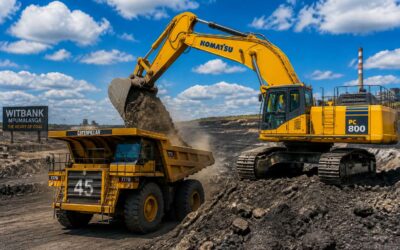
- Large hydraulic excavators with 6 cubic metre buckets for open pits
- Articulated dump trucks rated above 40 tonnes for haul roads
- Track dozers for spreading and compacting fill
Bulk operations demand continuous cycles, not heroic pauses. The right xl plant hire arrangement keeps these beasts rolling, boosting productivity while sparing your own machinery from premature retirement. Choose based on material density, haul distance, and site gradient, not just the brochure.
Cranes and Lifting Solutions for Heavy Loads
When a 500-tonne crane lifts a precast bridge beam into place, there is no second take. The margin for error is measured in millimetres. Cranes and lifting solutions carry the vertical load of major construction, and a failed lift can halt an entire site for weeks.
Telescopic crawler cranes offer mobility and lifting power for high-rise towers and industrial plants. All-terrain cranes move between sites without breaking down into component parts. Tower cranes rise with the structure they serve.
A typical large-scale project might deploy:
- Mobile cranes with 100-tonne plus capacities for steel erection
- Lattice boom crawlers for heavy precast placement
- Rough terrain cranes for confined urban sites
The right xl plant hire arrangement matches lifting equipment to each phase of construction. An xl plant hire provider with a diverse fleet means the crane you need on Tuesday is not the crane you need in three months. Wrong crane choices create delays, safety risks, and cost overruns.
Dump Trucks and Haulage Vehicles for Large Volumes
Beneath the Highveld sky, the earth itself is the enemy. Dump trucks carry the spoils of excavation, each load a small victory over gravity and geology. A 100-tonne articulated hauler grinds through mud that would swallow lesser machines. The payload is measured in bank cubic metres, and every cycle count matches the project’s pulse.
For bulk earthworks, the fleet must be matched to the terrain. Rigid frame trucks for open pits, articulated dump trucks for soft ground and steep grades. An xl plant hire provider supplies these machines in numbers that shift the landscape. No single truck changes a skyline, but a coordinated fleet of twenty can move a mountain in months.
Consider the typical deployment:
- 40-tonne articulated dump trucks for wet conditions
- 90-tonne rigid haulers for long hauls
- Water trucks for dust suppression on haul roads
The right xl plant hire arrangement keeps the cycle times short and the operator safe.
Compaction and Groundworks Machinery
Some say compaction is the least glamorous job on a construction site. They are wrong. Without it, your brand new highway becomes a wavy ribbon of frustration and your building’s floor slab cracks like a dried-up riverbed. When it comes to groundworks, the unsung heroes are the rollers, compactors, and graders. Choosing the right xl plant hire for this phase is about matching the machine’s force to the soil’s stubbornness.
A smooth drum roller is the go-to for asphalt, but for cohesionless soils, you need a padfoot drum. For tight spaces around foundations, a jumping jack compactor is essential. The real trick is understanding that vibration frequency matters just as much as weight. Too little, and you are just polishing the dirt. Too much, and you can shatter buried services.
– Sheepsfoot rollers for clay-heavy Highveld soils
– Tandem vibratory rollers for chip and spray surfacing
– Grader attachments for trimming sub-base levels to tolerance
The modern machines in an xl plant hire fleet often feature intelligent compaction systems. These measure the stiffness of every pass, giving the operator real-time data on a screen. It removes the guesswork. A skilled operator can tell you the ground is speaking to them through the seat. The good systems just make that voice a little clearer. Flawed compaction invites settlement, and settlement is the enemy of every infrastructure project in South Africa.
Specialized Attachments for Versatile Applications
No two South African sites break machines the same way. Major construction and infrastructure projects depend on machinery that can sustain long cycles of loading, lifting, and moving material. In the xl plant hire sector, the essential equipment list includes large excavators, dozers, and wheel loaders configured for high volume work. These machines are selected for durability and service support above raw size.
Specialized attachments turn a single base unit into a system for multiple applications. Quick hitch systems, tilt buckets, and ripper shanks allow operators to adapt to changing ground conditions without waiting for a second machine. On South African projects, this reduces idle time and improves cost control.
Power Generation and Site Support Equipment
Eskom’s load shedding schedule can halt a project before the first bucket of earth moves. That is why power generation and site support equipment matter as much as any excavator. In xl plant hire, temporary generators, lighting towers, and welfare units keep sites alive through blackouts and after dark. On large projects, these assets separate a smooth operation from a costly standstill.
Generators rated at 100 kVA or more feed site offices, security systems, and heavy repair bays. Remote sites demand integrated fuel supply, cable management, and distribution boards. We have seen xl plant hire contracts bundle these components with the primary fleet. Modern battery hybrids reduce diesel burn and noise, which helps crews working overnight. Site support like portable ablution blocks and secure storage containers maintains morale and protects materials.
The right support fleet lets primary machinery run without interruption.
Cost Efficiency and Budgeting for Bulk Hire
Understanding Rental Rates for Large Equipment
In South Africa, one day of unplanned downtime on a 40 ton excavator can erase a week’s profit from bulk hire. Understanding rental rates for large equipment matters more than the machine itself. These rates combine depreciation, maintenance, fuel, and operator cost, each compounding as the tracks turn.
I have seen projects lose money through mismatched machinery and overlooked penalties. A dump truck hired for a full week costs less per hour than a short term rental, but the saving vanishes if your site cannot keep it moving. This is where xl plant hire reveals its worth.
- Transport and mobilization fees, which often exceed the rental itself
- Wear and tear clauses that define what counts as damage
- Standby time charges when a machine is on site but not working
Negotiating bulk hire rates demands accounting for these elements before the machine arrives. A low paper rate becomes a burden once weeks stretch into months, with late returns and weekend surcharges adding up. When you approach xl plant hire for a full fleet, request a breakdown of every charge and let the numbers guide you.
Hidden Fees to Watch for in a Plant Hire Contract
A machine’s advertised rate is only the starting point. The real cost of bulk hire appears in the fine print, where storage, cleaning and refuelling charges accumulate until invoiced. In my years reviewing contracts, I have found that the most damaging fees for projects are those that escape the initial quote.
When budgeting for a large fleet, scrutinise these hidden charges:
- delivery and relocation costs, sometimes exceeding the daily rate
- idle time fees for machines positioned on site but not operated
- wear definitions that assign damage to normal site conditions
- late return penalties, often charged per hour instead of per day
Anticipate these before signing. Request a breakdown from xl plant hire; let the numbers reveal the hourly cost. A contract priced for a short job becomes costly when weeks stretch,but a budget built around all fees keeps your project accountable.
Long-Term vs. Short-Term Rental Economics
Most project managers compare daily rates, but that is a flawed measure. With xl plant hire, the economic sweet spot often emerges at the three month mark. Short term rentals carry higher daily costs, yet they allow you to scale capacity down when the schedule shifts. Long term commitments lower the per hour figure, but only if the machine runs consistently. Idle equipment is a silent drain.
I have watched contractors waste money on a fortnightly deal when a monthly bundle would have halved their unit cost. Conversely, I have seen annual contracts sit unused for weeks due to poor planning. The balance depends on your workflow certainty.
- Calculate utilization rate before signing
- Match the rental term to the project phase
- Negotiate a break clause for downturns
xl plant hire offers flexible structures that reward accurate forecasting. Build your budget around anticipated hours, not calendar days. That distinction separates profitable bulk operations from those merely surviving.
Maximizing ROI with Fleet Consolidation
Forty percent of a bulk site’s budget is consumed by machine idle time! Fleet consolidation changes that equation. When you hire a matched set of excavators, haulers, and compactors through xl plant hire, you pay for capacity, not fragmented deliveries. Transport costs drop because one delivery replaces three. Operator scheduling aligns to the flow of material.
I have watched a crush and screen operation reduce its equipment spend by 22% purely by consolidating the fleet under a single contract. The key is to budget around payload cycles rather than hourly rates. Three metrics stand out:
- Effective utilization per machine per shift
- Fuel burn relative to tonnes moved
- Unplanned downtime as a percentage of hire period
These numbers reveal the true ROI of a bulk hire strategy.
Negotiating Flexible Payment Terms for Big Projects
Budgets on large civil projects rarely survive first contact with the site. Weather delays, equipment breakdowns, and rework all punish a rigid payment schedule. That is why flexible payment terms matter as much as the rate itself.
With xl plant hire, negotiate milestone based invoicing that follows actual work phases rather than calendar months. Link payments to cubic metres moved or tonnes crushed. This aligns cash flow with production.
- Deferred payment windows during mobilisation
- Volume discount tiers for extended hire periods
- Split billing across project cost codes
Each clause reduces financial strain and keeps the project solvent. A contractor who controls when money leaves the account controls the project itself.
Operational Efficiency and Logistics of Heavy Plant Rental
Coordinating Delivery and Collection Across Sites
Heavy machinery spends most of its life parked. Moving it between sites is where schedules live or die. For xl plant hire, that means coordinating delivery and collection with the same precision as the work itself.
Deliveries must match site readiness. A 40 ton excavator arriving before foundations are prepared becomes an expensive obstacle. Collections must avoid idle operators and rental overruns. Traffic congestion and road closures only complicate matters.
- Abnormal load permits for oversize transport
- Site access checks for ground bearing capacity
- Live vehicle tracking with arrival windows
- Return scheduling for attachments and ancillary equipment
Good logistics people read the site plan, watch the weather, and spend their days on the phone confirming where each lowbed happens to be. That quiet discipline keeps projects moving and keeps clients calm. It is the difference between a smooth handover and a costly delay.
Fuel Management and Consumption Tracking
Fuel can consume up to 40% of a heavy plant operating budget. In South Africa, where diesel prices shift monthly, that percentage demands serious attention. For any xl plant hire operation, consumption tracking becomes the difference between profit and loss.
- Telematics systems that record engine hours and idle time
- On-site fuel bowsers with metered dispensing
- Daily reconciliations against work completed
Without these controls, operators top up tanks without record, and leaks go unnoticed. Data from sensors now flags anomalies before they become expense lines. Smart deployment of machines on site reduces fuel burn, while regular maintenance of filters and injectors keeps consumption predictable.
Minimizing Downtime with Reliable Equipment
On a large construction site, a stalled excavator is not an inconvenience; it is a costly delay. For any xl plant hire operation, minimising downtime begins with machines that refuse to fail. Reliable equipment is essential to operational efficiency.
Prevention is the only true protection. Machines must arrive serviced, tested, and ready for brutal shifts. The logistics of rental require more than delivery. It demands a strategy that anticipates failure before it strikes.
Consider these safeguards:
- Pre-start inspections that identify wear before breakdown
- On-site component stock for hydraulic and drive systems
- Standby units allocated to critical project paths
Each measure reduces costly idleness. The schedule holds because the fleet does not falter.
Scheduling Rotations for Multi-Phase Projects
When a project stretches across multiple phases, the sequence of machine deployment becomes a puzzle. I have watched schedules collapse because a fleet arrived in the wrong order. For xl plant hire, rotation planning determines whether a site breathes or chokes. Each phase demands specific equipment, and moving units too early or too late costs hours.
Logistics here means tracking every machine’s position, fuel state, and service window. You need a live map, not a spreadsheet. Consider the rotation cycle:
- Phase one: excavators and dump trucks clear the footprint
- Phase two: compaction units and graders shape the subgrade
- Phase three: cranes and power support finish the structure
This order prevents bottlenecks. However, delays shift the rhythm! A smart xl plant hire strategy maintains buffer machines for phase overlap, so one hiccup does not halt the whole chain.
Telematics and Digital Tracking for Rental Fleets
That rhythm only holds when you can see every machine in real time. Telematics has changed how rental fleets operate. Each unit transmits its location, engine hours, and fault codes straight to a dashboard. An operator in Johannesburg can watch a grader in Polokwane as it works. Digital tracking removes the guesswork from xl plant hire logistics. Fuel readings update constantly, flagging theft or wastage before costs spiral.
Service windows become predictable. Maintenance alerts arrive weeks before a component fails. This shifts the approach from reactive repair to scheduled upkeep, a change that matters deeply for xl plant hire operations. A live telematics feed offers:
- Real time geofencing alerts when units leave approved zones
- Engine diagnostics that flag emerging faults before breakdown
- Utilisation data that shows which machines sit idle
These signals allow managers to reallocate equipment mid shift. They shorten response times and reduce administrative work. Sites stay productive because someone watched the data before the problem surfaced.
Reducing Carbon Footprint with Modern Machinery
The logistics of heavy plant rental present their own demands. Machines move across provinces, and every kilometre burns fuel or wears tyres. Modern fleets answer with smarter deployment. Newer engines meet stricter emission standards, cutting particulate output while producing the same muscle. A contractor who chooses xl plant hire gains access to equipment that runs cleaner without demanding compromises in performance.
Efficiency begins before the machine starts. Route planning, load matching, and machine sizing all reduce wasted movement. Consider what this means:
- Right-sized units consume less fuel per cubic metre moved
- Newer drivetrains recover energy during braking
- Low-emission engines lower ventilation costs on underground sites
Each avoided trip and every litre of diesel saved becomes part of the project’s footprint. In South Africa’s vast landscape, that is measurable progress.
Safety, Compliance, and Operator Requirements
Mandatory Certifications for Heavy Plant Operation
Ask any site manager in the Highveld about their greatest concern and they will point to operator competence. South African law under the Construction Regulations 2014 demands proof of training, not just a conversational assurance.
For xl plant hire projects, the paperwork becomes as crucial as the machinery itself. Every individual behind the controls must carry valid certification, and the burden of verification falls on both the client and the rental company.
- Registered Trade Test for the specific machine class
- Certificate of Competence for cranes and lifting equipment
- Medical fitness clearance including eye and hearing tests
- Site-specific induction records and risk assessment sign-off
Renewal cycles differ across provinces, and an expired ticket can halt an entire operation. Compliance audits are becoming stricter, especially after the 2022 amendments to the Mine Health and Safety Act. When you secure xl plant hire, ask for certified copies of all operator documents before the first machine rolls onto your site.
Maintenance Standards and Inspection Protocols
The machinery may roar, but the quiet ritual of inspection keeps a site from becoming a cautionary tale. In the Highveld, dust settles into every pivot and seal; checks are not bureaucratic theatre. They separate a shift ending clean from one leaving a mark.
For xl plant hire, compliance depends on the details. Operators log pre-start inspections, verify fluid levels, and confirm locking pins before the engine turns over. A supervisor’s signature outweighs verbal assurance. The intervals below underpin a defensible safety system:
- Pre-shift: walkaround, leak checks, tyre assessment
- 50-hour: lubrication and filter replacement
- 250-hour: hydraulic pressure tests
- 500-hour: structural weld checks
When you secure xl plant hire, machines must arrive with these records intact. Gaps in the paperwork collapse the safety case. The service history must travel with the machine key. An unnoticed crack in a bucket linkage is a liability no contract clause can absorb.
Site Safety Planning with Large Equipment
Every hour of machine time on a South African site carries a compliance signature shared by operators and planners. When you secure xl plant hire, safety planning starts with demarcating exclusion zones and mapping haul routes before the machinery arrives. A competent person must verify ground bearing capacity, overhead line clearances, and subsurface services during the site walkdown.
Operators must present valid competency certificates, medical clearances, and proof of machine-specific training. The same planner who calculates lift radii or excavation depths must brief the crew on load charts and hand signal protocols.
- Confirm all operators hold current licensing for the equipment class.
- Review the emergency response and evacuation sequence with the hire team.
- Schedule daily toolbox talks that address changing ground conditions and weather.
Compliance with the Construction Regulations hinges on documented risk assessments for every task. The pace of work never justifies skipping a blind spot check or a load test. When visibility drops, operations pause and reassess.
Insurance Considerations for High-Value Machinery
Insurance for high-value machinery often makes or breaks a project’s viability. When you arrange xl plant hire, the financial exposure from a single damaged unit can exceed the entire hire cost several times over. Operators must understand the precise liability boundaries, particularly regarding third-party damage, theft, and force majeure events.
The audit process for insurance documentation should match the intensity of equipment inspections. Before machines move onto your site, verify each leased unit appears on the hire company’s commercial policy with the correct replacement value. Common gaps emerge when attachments and specialised components remain unlisted or when the machinery crosses provincial borders during the rental period.
– Confirm the excess amount payable per incident and who carries that cost.
– Verify whether the policy covers transport to and from your site.
– Determine if operator error falls under the standard terms or requires additional coverage.
South African sites rarely accommodate these losses without substantial friction. The paperwork functions as your only protection when a gearbox fails or a boom snaps under load. Spend the time to understand the terms before signing, because after the incident, the fine print is all you have left.
Training and Competency Assessment for Operators
In xl plant hire, the operator decides whether a project moves forward or stalls. A machine’s capacity is irrelevant if the operator cannot judge distance, weight, and momentum under pressure. Competency assessment should be a continuous process, not a one-time checkbox, because fatigue and overconfidence erode skills faster than any certificate can capture.
We evaluate operators on real site conditions, not just written tests. This means observing how they handle blind spots, uneven ground, and sudden load shifts. The assessment also covers:
- Pre-start inspections without prompting
- Correct use of spotters and hand signals
- Response to unexpected obstructions
Each evaluation feeds into a site specific training plan. If a gap emerges, we address it before the machine moves another metre. That discipline protects the crew, the equipment, and the project schedule.
Environmental Regulations and Emission Standards
Emission standards in South Africa are tightening, and xl plant hire fleets must keep pace or face costly shutdowns. The Air Quality Act sets thresholds for particulate matter and nitrogen oxides on every site. We match machines to these limits before dispatch, not after a complaint lands.
Operator compliance demands more than signed declarations. Each driver must log fuel top-ups and report exhaust anomalies immediately. Diesel particulate filters and scrubbers protect crew in enclosed workspaces. A leaking injector can push a machine over its certified emission class within days.
Our compliance checklist includes:
- Current emissions certificates for every unit
- Noise abatement measures near residential zones
- Dust suppression plans tied to wind conditions
That level of diligence keeps sites operational and avoids fines.
Selecting the Right Partner for Large-Scale Projects
Evaluating Equipment Age and Condition
Some contractors assume all plant hire companies operate the same. That mistake costs millions on large-scale projects. The partner you select determines whether your schedule holds or collapses. A credible supplier offers transparent maintenance records and lets you inspect machines before they hit your site.
Equipment age matters more than the paint job. A 2019 industry audit found that machines older than seven years account for 60% of hydraulic system failures. When you evaluate a rental fleet, ask for service logs and check hour meters. Look for worn undercarriages, leaking seals, and cracked boom welds. A machine that looks clean can hide structural fatigue.
For high-stakes operations, confirm the following:
– The last major service date
– Tyre or track wear percentage
– Operator cabin condition
– Compliance with South African safety standards
When your project demands xl plant hire, the inspection becomes critical. The right provider lets you dig into their fleet history without hesitation. Choose a partner who treats equipment condition as a non-negotiable. That attitude separates reliable uptime from costly surprises.
Checking Support Services and Emergency Response
The real measure of a partnership reveals itself when something breaks. Downtime on a major project is not an inconvenience. It is a financial wound that bleeds thousands of rand per hour. Project managers often say that the first hour of a machine failure defines the entire relationship with a supplier. They are right.
Ask a potential provider how they handle a 2 a.m. hydraulic failure on a remote site. Look for a commitment to response times that are measured in minutes, not days. A serious partner will have mobile service units and replacement units staged across the regions where they operate. You need to know who answers the phone and what authority that person has to dispatch help. The voice on the other end must be able to make decisions, not just take messages.
The quiet hours reveal the true character of a service operation. Consider what happens after the site gates close and the machines sit idle. Strong suppliers maintain 24/7 monitoring and a clear escalation path for emergencies. Weak ones leave you waiting until the next business day. While assessing a partnership, see if they can produce a detailed emergency action plan. Ask them to walk you through their protocol for a catastrophic failure. Their answers will tell you more than any shiny brochure ever could. Next time you evaluate xl plant hire candidates, visit their depot unannounced and observe how they treat their own maintenance crews. That is the clearest window into their operational soul.
Comparing Supplier Reputation and Track Record
Reputation is built on visible proof. When comparing suppliers for a large project, ask each candidate for xl plant hire references from projects that failed as well as succeeded. Most will only volunteer the successes. That hesitation tells you something!
Call those references. Visit a live site unannounced. Watch how the maintenance crew responds to a small issue.
Here is what separates a solid track record from a polished story:
- Spare parts on hand for the machines they rent out.
- Service logs with actual dates and signatures.
- Responses to breakdowns that took over 24 hours to resolve.
A supplier who cannot show you these will likely struggle when your schedule depends on their equipment.
Assessing Customization Options for Specialized Needs
A 100-ton excavator with the wrong bucket can halt a site for days. When selecting the right partner for large-scale projects, I look for a supplier who questions my assumptions before I question their fleet. That first conversation reveals whether they grasp the complexities of South African terrains, from dolomite to hard rock.
Customization options for specialized needs separate adequate xl plant hire from exceptional service. Does the supplier modify attachment couplings? Can they adjust counterweights for tight radius cranes? Ask for a written configuration plan! In my experience, the best suppliers offer modular options that fit site-specific demands.
- Extended dipper arms for deep excavation
- Reinforced buckets for abrasive materials
- Reduced swing cabs for confined urban sites
A partner who handles these requests without hesitation will keep your schedule intact. Anything less from an xl plant hire partner is a risk you cannot afford.
Understanding Service Level Agreements and Guarantees
Service level agreements determine whether a project stalls or stays on schedule. When I review an xl plant hire contract, I read the guarantee clauses twice before I look at the rates. A supplier who promises 24 hour response times must put that promise in writing, with penalties attached.
The SLA should define what happens when a machine fails. In large-scale xl plant hire, this section demands the closest reading. It should name the replacement window, the communication channels, and the escalation path. A vague commitment to “best effort” is not a guarantee.
An effective service agreement includes:
- Uptime percentages for critical equipment
- Response timeframes for breakdowns
- Spare parts availability commitments
- Substitution equipment specifications
Without these specifics, a breakdown can turn into a costly delay. The right partner treats the SLA as a working document.
Building Long-Term Partnerships for Ongoing Demand
Choosing a partner for large-scale work goes beyond comparing daily rates. A supplier who understands your project’s rhythm becomes an extension of your team. In my years arranging xl plant hire across South Africa, the strongest relationships begin with honest conversations about capacity and limits.
Those conversations carry over into long-term partnerships. A partner who learns your site protocols and planning cycles can anticipate needs before you voice them. That foresight matters when demand fluctuates across phases. The rental agreement becomes a framework, not a constraint, when both sides share clear expectations. Over time, that alignment reduces friction and keeps projects moving.

0 Comments