
Choosing the right equipment for construction projects
Types of plant hire equipment and their primary uses
SA sites waste up to a quarter of project time when the gear doesn’t fit the job. That’s not a boast—it’s a sobering stat that even the most battle-hardened site managers mutter under their respirators. The right choice begins with a straightforward assessment of the task, ground conditions, and how each machine behaves in the wilds of construction.
- Excavators — trenching, foundation digs, and occasional light demolition.
- Wheel loaders — clean, move, and stockpile on uneven terrain.
- Telehandlers — reach and place loads at height with stability.
- Skid-steer loaders — versatile, nimble, perfect for tight spaces.
When I plan equipment, I weigh ground conditions, access constraints, and dependable after-sales support. Selecting plant hire vehicles means favouring machines with fuel efficiency, simple maintenance, and local service networks—because downtime is the real villain on any site.
Key factors to consider when selecting hire equipment for projects
On South African sites, misfit gear chews roughly 23% of downtime—a sobering stat that sharpens the focus on the moment you pick from the fleet. The right match isn’t about ego; it’s about aligning task, terrain, and tempo so cranes can sip their coffee without stalling.
- Task scope aligned with machine capability
- Ground conditions and access realities
- Maintenance cadence and local after-sales support
When evaluating options, weigh utility against constraints, from slope and rubble to road access and staffing. Favor equipment with efficient fuel use, easy maintenance, and a robust local service network—because downtime is the real villain on any site, and plant hire vehicles make or break the schedule.
Cost, terms, and financing options for hire equipment
Time on site is money, as a seasoned foreman likes to say! The right terms for plant hire vehicles can keep your project’s tempo steady when the schedule tightens and cash flow grows nervous.
Choosing the right package for South Africa’s projects means weighing daily or weekly rates, inclusions, and the fine print—maintenance cadence, fuel surcharges, delivery fees, and end-of-hire options. Look for transparent terms and predictable invoicing, because stability in cost is a quiet advantage on any SA site.
- Flexible rental terms with predictable invoicing
- Maintenance-inclusive packages to curb downtime
- End-of-hire options that suit your project’s lifecycle
Delivery, availability, and service coverage for hire equipment
On a SA site, every hour counts, and the right plant hire vehicles can be the quiet backbone of momentum. Delivery, availability, and service coverage aren’t afterthoughts; they’re the measurements of reliability that keep schedules from buckling under pressure. When choosing equipment, imagine the crew waiting for a crane or a loader idling—opt for options that promise steady starts and dependable support.
- Delivery windows that align with shifts and weather patterns
- Availability across your project footprint, not just a single yard
- Service coverage with local technicians and rapid response
That tempo isn’t a gamble but a disciplined cadence, forged by reliable delivery, broad coverage, and proactive maintenance.
Maximizing efficiency with rental fleet management
Uptime strategies for construction fleets
Uptime is the heartbeat of any project, and the numbers don’t lie: a site that keeps its plant hire vehicles humming reduces delays and preserves margins. ‘Uptime is the new productivity metric,’ as a veteran site manager quips. In South Africa’s fast-paced market, reliability isn’t optional—it’s a competitive edge.
From my experience, coordinated fleet data helps me preempt failures, rotate units to balanced workloads, and standardize inspections in plain sight of the crane and compactor alike. The aim: fewer surprises and smoother handovers between shifts, so the work proceeds with a can-do elegance.
Smart rental fleet management means the right equipment appears when needed, backed by robust service coverage and responsive support. It feels almost artisanal—tech meets trust, and downtime is kept to a minimum, with a touch of South African pragmatism!
Safety compliance and operator training for hire fleets
A tight safety culture isn’t just good practice—it’s a 15% uplift in on-site efficiency, and the numbers don’t lie. With plant hire vehicles, streamlined safety compliance and solid operator training translate into fewer delays, smoother handovers, and a calmer job site anywhere in South Africa.
Safety compliance and operator training form the backbone of a responsive rental fleet. Here’s a quick snapshot of what keeps the gears turning:
- Pre-shift checks and lockout-tagout routines
- Certified operator training tailored to each machine type
- Ongoing refreshers and incident reporting protocol
This alignment reduces surprises, keeps the fleet on a consistent cadence, and supports seamless shifts.
On South African sites, that blend of safety discipline and practical training is the engine that powers reliable performance without drama.
Budgeting and total cost of ownership for rental equipment
Maximizing efficiency starts with budgeting and a clear view of total cost of ownership for rental equipment. For plant hire vehicles, a disciplined approach can shave significant time and money off a project, stabilising cash flow on South African sites. The aim is predictability: align usage with demand, keep maintenance predictable, and avoid surprise invoices that disrupt the schedule.
- Rental rates aligned with actual usage
- Predictable maintenance and downtime planning
- Insurance, transport, and end-of-life considerations
Budgeting should map the real drivers of cost, not just the sticker price. With predictable maintenance windows, fuel planning, and service coverage, the total cost of ownership for plant hire vehicles becomes a lever for efficiency rather than a gamble.
Usage data and telematics turn knowledge into action for plant hire vehicles. A data-led approach helps optimize fleet mix, reduce idle units, and extract maximum value from every Rand spent on equipment on South African job sites.
Flexible hire terms and scaling for large projects
On South African sites, cutting downtime by 20% can be the difference between a missed deadline and a profitable milestone. Maximizing efficiency with rental fleet management is a disciplined craft, not luck. A well-tuned plan keeps plant hire vehicles humming—predictable maintenance, fuel planning, and service windows that align with the work. The result isn’t just cost saving; it’s rhythm and reliability that let crews focus on the task instead of the timetable. We’ve seen it transform teams.
Flexible hire terms let you scale up without capital risk. For large projects, you can lock in rates, swap in higher-capacity units during peak windows, and retire assets as demand falls. A data-led approach with telematics guides these decisions for plant hire vehicles, turning fleet mix into a strategic lever.
- Scale quickly without overstocking
- Predictable invoicing aligned to milestones
- Maintenance windows synced with project phases
How to track performance and optimize utilization
On South African sites, every hour counts. Cutting downtime by 20% can turn a near-miss into a profitable milestone. Maximizing efficiency with plant hire vehicles isn’t luck—it’s a disciplined plan built on real-time data and smart scheduling.
Performance tracking starts with telematics that translate miles, fuel use, and engine hours into clear metrics. It reveals utilization, idle time patterns, and how asset rotation lines up with work phases to keep the fleet moving.
- Utilisation rate by asset and shift
- Downtime and repositioning costs
- Maintenance windows and service compliance
With a data-led approach for plant hire vehicles, choices about scale, mix, and deployment become a rhythm rather than a gamble. The result is predictable invoicing, fewer bottlenecks, and crews who stay focused on the task.
Equipment types and use cases
Excavators selecting the right size and capabilities
On South African sites, the right size excavator isn’t a luxury—it’s a productivity multiplier. Industry data suggest that matching machine capacity to the task slashes cycle times and reduces fuel burn. With plant hire vehicles at your disposal, the decision becomes strategic, not guesswork.
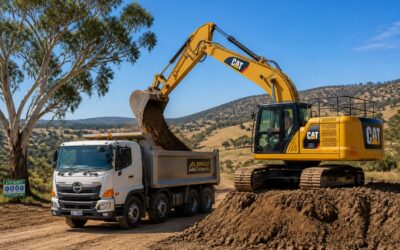
For tight urban works, micro and mini excavators shine; for trenching and utility lines, compact to mid-sized units offer the sweet spot; for mass earthworks, larger classes deliver raw power. When selecting, weigh digging depth, reach, bucket size, hydraulic flow, and whether tracks are needed for soft ground.
- Trenching and pipe installation
- Foundation digs for small to mid-size buildings
- Site clearance and demolition prep
- Landscaping and rubble removal
Pair this with a range of attachments—hammer, auger, breaker—and you have a versatile tool capable of turning plans into progress, everywhere in SA.
Cranes and lifts choosing the right model for site requirements
A well-chosen crane can cut on-site lift times by up to 25%—a productivity leap that changes a workday. In the world of plant hire vehicles, cranes and lifts are about matching the model to the site, the task, and the ground beneath.
On South African sites, reach, capacity, and footprint decide the right crane. For tight urban spaces, mobile and truck-mounted cranes spark fast deployments; on uneven terrain, crawler cranes handle heavy lifts; for vertical reach, tower cranes meet the challenge.
- Mobile and truck-mounted cranes
- Crawler and lattice cranes
- Tower cranes
Lifts and access platforms extend the same logic to heights and confined interiors—scissor lifts for flat floors, boom lifts for obstacle-rich zones; in the plant hire vehicles landscape, consider power source (electric vs diesel), reach, and load limits when planning.
Dumpers, rollers, and auxiliary machines for site prep
On South African sites, the germ of progress is often issued in a puff of dust: 60% of pre-pour delays trace to poor site prep. In the realm of plant hire vehicles, dumpers, rollers, and their auxiliary rivals rise to the challenge, turning rough ground into a workable canvas and the foreman into a believer in momentum.
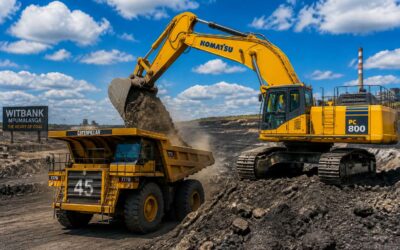
Dumpers shuttle earth, haul spoil, and keep the workflow moving—no grandiloquent promises, just practical sequences. Their nimble handling is king in tight spaces and disrupted access roads where larger machines fear to tread.
Rollers seal the deal, compacting layers to bearing capacity and reducing settlement risks before concrete or foundations go in. Precision in moisture, pressure, and timing matters almost as much as the metal and muscle behind it.
- Dumpers: earth movement and spoil removal with minimal site disruption.
- Rollers: surface compaction tailored to soil type and load.
- Auxiliary machines: water bowsers, generators, compressors—keeps the site running smoothly.
Specialized hire equipment for challenging terrain
On South African job sites, progress doesn’t creep—it charges in with momentum once the ground is ready. A practical truth travels from veld to city: when terrain is tackled with the right equipment, productivity lifts and delays shrink. In this world, plant hire vehicles become more than machines; they are partners in turning rough soil into a stage for steady, confident work.
- Tracked carriers glide over soft or uneven ground without bogging down
- Compact rollers tuned for varying moisture and bearing capacity
- High-clearance telehandlers and agile excavators for tight access zones
For challenging terrain, these specialized hires unlock pathways through dunes, rebuilds on rocky bases, and coastal inland routes. With the right mix of machines, crews choreograph a rhythm that respects soil, weather, and schedule—precisely what plant hire vehicles can offer on a South African site.
Choosing a plant hire supplier
Safety certifications and regulatory compliance checks
On South Africa’s bustling job sites, choosing the right supplier can be the difference between an on-time finish and a costly delay. A reliable partner will supply well-maintained plant hire vehicles and clear safety records, backed by local service coverage. Start by weighing uptime guarantees, fuel efficiency, and the supplier’s responsiveness to unexpected outages. The goal is not just equipment, but a dependable extension of your team!
Safety certifications and regulatory compliance checks should be non-negotiable.
- Safety certifications and regulatory compliance checks
- Operator training and licensing verification
- Maintenance history and availability of on-site support
A transparent supplier will share records and schedules, helping you budget with confidence.
Maintenance standards and on-site support availability
On South Africa’s busiest job sites, the choice of plant hire supplier can tip the project toward a smooth finish or costly delay. Look beyond the headline rate to uptime guarantees, fuel efficiency, and a local service footprint you can actually rely on. A dependable partner will provide well-maintained plant hire vehicles and transparent safety records, with fast recovery times for outages. The goal isn’t gear alone; it’s a seamless extension of your team, keeping productivity steady when the pace surges!
- Maintenance standards aligned with manufacturer guidelines
- On-site support with defined response times
- Accessible maintenance history and remote diagnostics
With schedules, service windows, and spare-parts availability shared openly, budgeting becomes confident forecasting rather than guesswork. Choose a partner who communicates clearly, respects your timeline, and treats uptime as a baseline expectation.
Delivery windows, fuel policy, and after-hours service
On South Africa’s busiest job sites, the clock dictates productivity. The right partner delivers not just gear but dependable access to plant hire vehicles—on time, every time.
When selecting a supplier, demand defined delivery windows that map to your project calendar, a transparent fuel policy to prevent surprise refuels, and after-hours service for night shifts or weekend surges. These elements turn logistics into a controllable variable rather than a source of chaos.
- Delivery windows aligned to your build schedule
- Clear fuel policy and fuel usage reporting
- Responsive after-hours support for outages or critical windows
With this trio, your fleet moves with the project, minimizing downtime and keeping your plant hire vehicles ready where you need them most.
Quotation comparisons and service level agreements
On South Africa’s busiest sites, timing isn’t negotiable. A veteran site manager once told me, “Timing is the difference between progress and delay.” The right supplier makes plant hire vehicles feel like a rhythm you can bank on, not a roll of the dice.
- Transparent, itemised quotations with defined inclusions and contingencies
- Service level agreements detailing uptime targets, response times, and on-site support
- Clear coverage for replacement equipment and maintenance scheduling within the contract
- Concrete performance metrics and reporting of asset history and utilization
Choose a supplier whose quotes align with your project calendar and whose SLAs feel like a forecast you can trust. With the right partner for plant hire vehicles, procurement becomes predictable.
Customer reviews and supplier reliability indicators
Choosing a plant hire supplier isn’t just about price; it’s about trust. Reviews are your compass on South African sites, where curveballs show up fast. “Timing is the difference between progress and delay,” a veteran site manager reminded me, and plant hire vehicles that arrive on time feel like a forecast you can rely on.
- On-time delivery and uptime records
- Clear maintenance history and asset performance
- Independent references and real project case studies
Dial into reliability indicators: quick reply times, transparent asset histories, and uptime commitments that fit your calendar. Read customer stories and case studies to separate the wheat from the chaff. When the vendor earns repeat praise, you’re looking at a partner who won’t leave you stranded after hours.

0 Comments