
Understanding the plant hire industry
Market size and demand drivers
Across South Africa’s construction corridors, the plant hire scene hums with predictable energy—machines moving as projects unfold. A well-timed rental can cut downtime, save fuel, and protect margins, turning a soggy schedule into progress you can feel. I’ve watched planning pay dividends when teams align!
Understanding market size and demand drivers starts with the rhythm of infrastructure, mining, and municipal upgrades. The sector grows where tender activity is high, fleets are updated, and maintenance cycles demand reliable plant on site. A thoughtful plant hire business plan aligns capacity with that cadence.
- Public infrastructure and PPP projects
- Mining and energy sector expansion
- Seasonal construction peaks and maintenance windows
Because South Africa’s sites span deserts to cities, suppliers must reflect regional demand and service quality, pairing local knowledge with fleet versatility. The market rewards transparency and uptime.
Key customer segments
Across South Africa’s job sites, uptime is measured in hours, not days. Understanding the plant hire industry begins with the people who approve purchases and the cadence of projects that shape work cycles. A robust plant hire business plan guides decisions about fleet mix, service levels, and risk, turning complex schedules into confident commitments. It’s less about the machine and more about the promise of consistent on-site performance.
Key customer segments span private developers, civil contractors, mining and energy operators, and public-sector buyers involved in infrastructure and PPP projects.
- On-site project managers and procurement officers who value reliability over price
- Fleet managers and maintenance teams who monitor uptime and total cost of ownership
- Regional government bodies and EPCs active in infill projects and upgrades
Regional nuance matters—equipment preference shifts with terrain, climate, and regulatory demands; flexibility in delivery windows and operator training can win long-term loyalty.
Competitive landscape and differentiators
On South Africa’s busiest job sites, downtime is a currency that can wreck schedules faster than a misread blueprint. One hour of downtime can stall a multi-million rand milestone. Reliability isn’t a luxury; it’s the baseline expectation. The competitive landscape rewards operators who safeguard uptime with proactive maintenance and responsive support.
Understanding how players differentiate themselves helps shape a sturdy offering. Key differentiators include:
- Regional maintenance hubs that shorten travel time.
- Real-time uptime monitoring and transparent reporting.
- Flexible delivery windows and operator training options.
- Clear, predictable pricing with no hidden upticks.
A plant hire business plan should weave these realities into fleet mix, service levels, and risk management, turning complex schedules into confident commitments.
Regulatory and safety considerations
South Africa’s job sites hum with energy, but downtime is the true currency—and it compounds faster than a misread blueprint. Downtime costs can climb into single-digit percentages of project value, transforming a smooth phase into a budget overrun. A robust plant hire business plan must embed regulatory and safety considerations from day one. Reliability and compliance aren’t just checkboxes; they’re the sinew of every schedule, especially on high-stakes builds.
Consider these regulatory and safety pillars:
- Licensing and operator certification requirements, ensuring all staff hold valid competencies.
- Equipment inspections, routine maintenance logs, and adherence to OEM service schedules.
- Comprehensive safety training, PPE mandates, and site-specific induction programs.
- Incident reporting, workers’ compensation compliance, and insurance coverage considerations.
- Compliance with South Africa’s environmental and transport regulations affecting fleet operations.
These regulatory realities influence fleet mix, training investments, and risk management strategies embedded in our planning.
Business model and service offerings
Equipment categories and fleet composition
On South Africa’s bustling job sites, downtime is a dragon that devours margins. A plant hire business plan keeps that dragon at bay by aligning assets with demand, cash flow, and site realities. It maps how equipment moves between projects, how maintenance is funded, and how safety standards breathe.
The model hinges on uptime and flexibility: short- and long-term hires, on-site operators, maintenance, transport, and 24/7 support. Transparent pricing, proactive maintenance, and digital fleet monitoring turn complex logistics into a rhythm contractors trust.
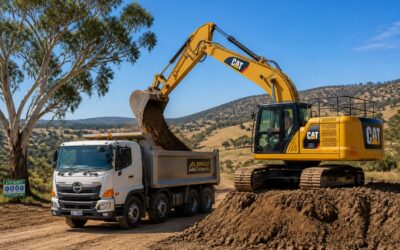
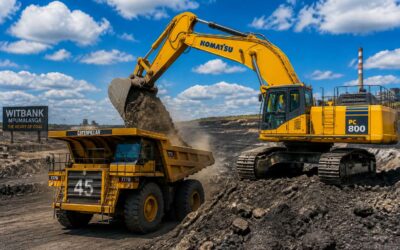
Equipment categories and fleet composition anchor the operation, ensuring the right tool is on hand when a Dig Deep moment hits the site. Consider a balanced mix that includes:
- Excavators
- Wheel loaders
- Telehandlers
- Articulated dump trucks
- Scissor and boom lifts
- Concrete mixers and pumps
- Compactors and rollers
Such a fleet supports diverse project scopes, from trenching to large-scale earthworks, while safety and efficiency stay at the forefront of every quote.
Maintenance and safety compliance
On South Africa’s busiest job sites, every hour of idle plant gnaws margins. A well-conceived plant hire business plan reframes risk as opportunity by syncing assets with demand, cash flow, and site realities. The model thrives on uptime and flexibility: short- and long-term hires, on-site operators, transport, and 24/7 support, all backed by transparent pricing and smart fleet monitoring.
Maintenance and safety compliance are the quiet engines—yes, they roar when neglected. Proactive maintenance, routine safety checks, and fully documented compliance records reassure clients.
- On-site preventive maintenance and rapid component swaps
- 24/7 call-out support and rapid mobilization
- Digital fleet monitoring with uptime dashboards
- Operator training and safety certification tracking
Pricing models and contract terms
Across South Africa’s busiest sites, every idle hour gnaws margins. A solid plant hire business plan anchors service bundles to demand, cash flow, and site realities. Our model thrives on uptime and flexibility: short- and long-term hires, on-site operators, transport, and 24/7 support, all backed by transparent pricing and smart fleet monitoring.
Pricing models and contract terms are the spine of reliable delivery. We maintain a modular fleet with predictable charges and clear, fair conditions. The offering can be paired with maintenance packages and asset tracking for complete visibility.
- Daily or hourly rates with optional operator
- Weekly or monthly bundles for continuous work
- Volume discounts and bundled maintenance
This approach keeps projects on track when site conditions flare.
Go-to-market and growth strategy
Brand positioning and value proposition
On South African job sites, downtime costs more than fuel or rent—it costs momentum. Our go-to-market and growth strategy moves quickly, aligning with local procurement cycles and the realities of on-site decision-making. The plant hire business plan we follow frames channel partnerships, service standards, and regional expansion in a way that keeps projects moving and margins intact.
- Target key construction and mining projects with predictable timelines
- Build channel partnerships with reputable suppliers and agents
- Offer reliable support, rapid mobilisation, and maintenance-compliant logistics
We position our brand as practical, safe, and straight-talking—built for South Africa’s complex sites. The value proposition rests on uptime, transparent pricing, and a fleet that’s ready when you are. By foregrounding safety, local expertise, and clear communication, we earn trust from operators, project managers, and procurement teams alike.
Lead generation channels and sales funnel
Our go-to-market and growth strategy moves fast, aligned with local procurement cycles and on-site decision rhythms. This plant hire business plan outlines how we keep projects moving while preserving margins, from first inquiry to deployment and uptime.
Lead generation channels work best when they feel helpful and human.
- Tender portals and procurement platforms
- On-site demos with project teams and safety briefings
- Strategic partnerships with reputable equipment suppliers and agents
- Content marketing and SEO targeted to South Africa’s construction and mining sectors
The sales funnel is brisk and transparent: awareness, interest, evaluation, and rapid onboarding, with clear handoffs to maintenance and logistics teams!
Partnerships and supplier relationships
On South Africa’s construction and mining belts, uptime is a currency. A single well-timed delivery can shave downtime and keep projects moving. In our plant hire business plan, partnerships and supplier relationships are the beating heart that preserves fleet availability and margins.
We align with reputable equipment suppliers and agents, weaving long-term contracts that grant priority access to fleet refreshes and maintenance windows. This alliance speeds onboarding, aligns procurement cycles, and turns supplier collaboration into a quiet, on-site edge.
Digital presence and content strategy
On South Africa’s busiest sites, uptime is a currency, and a single well-timed delivery can shave days from the schedule. ‘Every minute of delay costs more than fuel,’ a site manager reminds us, and that truth threads through our go-to-market thinking within a plant hire business plan.
In digital space, growth leans on clarity and credibility: a concise website, SEO-rich content, and field stories that translate uptime into value. We speak to SA contractors and mines with language they trust, without jargon or hype!
- Targeted SA contractor and mining operator content
- Localized SEO and practical, field-oriented guides
- Real-world uptime stories that reinforce reliability
Growth emerges from steady cadence, partnership, and a fleet that speaks for itself.
Expansion opportunities and geographic reach
In a world where the clock governs every crane swing, the site manager’s creed—”Every minute of delay costs more than fuel”—haunts our plant hire business plan and steels our resolve, like iron set to a midnight forge. Our go-to-market strategy hinges on crisp messaging, rapid mobilization, and a fleet that answers the field’s call with precision.
Expansion opportunities and geographic reach are carved into the plan.
- Regional hubs in Gauteng, KwaZulu-Natal, and Western Cape to slash mobilization times
- Partnerships with EPCs and mines for long-term rental contracts
- Mobile maintenance fleets and remote monitoring to sustain uptime
- Local training and after-sales service centers to build trust
Geography channels us into SA’s corridors, speaking contractor language.
Growth emerges from steady cadence, purposeful partnerships, and a fleet that speaks for itself—outpacing dust and doubt.
Financial planning and metrics
Startup costs and capital requirements
Cash flow is oxygen for the fleet, and a well-tuned plant hire business plan makes that breath steady. Financial planning and metrics map how capital idle becomes project value, guiding procurement, insurance, and maintenance decisions without wading through confusion. In South Africa’s dynamic construction market, every rand invested must earn its way back with interest.
Startup costs and capital requirements sit at the start of the journey, demanding clarity around fleet size, financing, and contingency. The right structure turns risk into opportunity, letting the business weather market swings with confidence.
- Initial fleet acquisition and depreciation planning
- Working capital to cover 3–6 months of operating expenses
- Licensing, permits, and safety compliance
- Maintenance reserves and spare parts stock
Key metrics—fleet utilization, uptime, cash flow, and capital efficiency—shape forecasts and decisions, keeping the operation nimble as markets shift.
Revenue forecasting and profitability
In South Africa’s bustling construction corridors, idle plant can gnaw away months of profit. Industry chatter suggests up to 25% of project budgets vanish when machines sit idle. A plant hire business plan anchors revenue forecasting and profitability, stitching asset utilization to the health of the bottom line.
Financial planning rests on crisp cash-flow models, depreciation schedules, and maintenance reserves that preserve reliability. Revenue forecasting and profitability hinge on robust assumptions about utilization, demand cycles, and contract mix. The right mix of scenarios keeps the fleet adaptable and lenders confident.
- Forecast-driven budgeting for utilization and uptime
- Margin discipline across rental rates and service add-ons
- Cash-flow timing and reserve adequacy
Metrics become a compass—utilization, uptime, cash flow, and capital efficiency translate forecasts into action. When the numbers align, procurement decisions, insurance coverage, and maintenance schedules stay lean yet fearless, a company able to lean into growth without breaking stride.
Cash flow and working capital management
Across South Africa’s buzzing construction corridors, idle plant gnaws at profit; a recent industry pulse suggests up to 25% of the budget leaks when machines sit unused. A plant hire business plan anchors financial thinking, turning asset dashboards into revenue discipline. Crisp cash-flow models, steady depreciation schedules, and dedicated maintenance reserves keep reliability intact while margins stretch toward the next milestone!
Forecast-driven cash flow hinges on practical assumptions about utilization, procurement timing, and contract mix. Trackable metrics become mapping tools: utilization, uptime, cash flow, and capital efficiency translate plans into purchase orders, insurance coverage choices, and standby reserves.
- Cash conversion cycle optimization
- Receivables management and supplier terms
- Strategic maintenance reserves
When numbers align, the business remains lean but fearless, ready to scale across SA’s terrain.
KPIs and performance dashboards
On South Africa’s bustling job sites, numbers don’t lie—they hum with possibility! A plant hire business plan grows from disciplined financial planning, turning idle assets into reliable revenue. It anchors forecasts, aligning utilization, depreciation, and reserves into a single, runnable pulse.
- Utilization rate
- Uptime and downtime
- Cash conversion cycle
Metrics and KPIs become the dashboard you can trust to steer decisions. Track utilization, uptime, cost per hour, and net margin to reveal true performance. Performance dashboards translate data into actionable clarity, painting a live picture of capacity, procurement timing, and contract mix.
With these numbers, the team speaks the same language and resilience grows. The metrics are not mere figures; they are the light by which capital travels and risk recedes, a poetic yet practical compass for scaling across SA’s terrain.

0 Comments