
Understanding Plant Hire Solutions
Defining Plant Hire in the Construction Sector
In South Africa, construction firms face a simple truth: owning heavy machinery is rarely wise. Plant hire offers a remedy, converting fixed costs into project driven expenses. When you can plant hire a 30 ton excavator for three weeks, you avoid months of idle depreciation. This model is common from Gauteng’s highrise projects to Western Cape roadworks.
Different contracts demand different equipment. Earthmoving, compaction, and material handling each require specific machines. The rental provider handles maintenance, transport, and often the operator. A typical hire agreement covers:
- Machine availability and delivery timelines
- Fuel and service responsibilities
- Insurance and damage waivers
This clarity lets project managers plan with confidence. I have seen projects flourish with this approach. Plant hire turns a capital purchase into a manageable operational line item.
The Difference Between Hiring and Leasing Machinery
When construction managers ask whether they can plant hire equipment for a month or lease a fleet for three years, the answer defines their cash flow strategy. Hiring is a short-term arrangement. You pay for daily or weekly usage, and the supplier handles servicing, transport, and breakdowns. Leasing, by contrast, locks you into a fixed term, often twelve months or longer. It suits businesses with consistent demand for the same machines.
- Hiring offers flexibility, so you can scale up for a single project and return the machine immediately.
- Leasing reduces monthly costs but demands regular payments even during quiet periods.
I have seen contractors choose hiring when they need a specialized piece of plant for a specific task. Leasing makes sense for a company with a stable pipeline of work. The true advantage of understanding this distinction is knowing which option aligns with your workload. You can plant hire without the burden of ownership, but leasing adds a different kind of obligation.
Common Terms and Conditions in Rental Agreements
A rental agreement is a contract of trust. The plant hire company hands over a machine worth millions, and you promise to return it in working order. In South Africa, most agreements include standard clauses, but the details matter. The “wet and dry” rate determines whether fuel is included. The “standown” clause defines who pays when weather halts work. I have seen contractors lose deposits because they ignored the hourly charge for a tracked excavator that arrived late.
- Insurance liability for theft or damage
- Transport and delivery timing
- Breakdown response times
Every clause carries moral weight. You can plant hire a machine without reading the fine print, but that choice creates real consequences when the invoice arrives. Knowing the terms before signing is the only honest defence.
How Plant Hire Supports Project Flexibility
In South Africa’s construction landscape, the ability to adjust quickly often separates profit from loss. A contractor cannot predict every machinery need for a three-month township development. Flexibility is a financial safeguard, not a luxury.
Understanding plant hire solutions means recognising that a rental fleet adapts to your project’s changing needs. I have watched projects stall while managers waited to buy a machine they barely needed. Need a 20 ton excavator for one week, then a compactor the next? You can plant hire what the schedule requires, without tying capital into unused equipment.
Consider the operational advantages:
- Scale crews up or down as phases change
- Test equipment before committing to long term contracts
- Match specialised machines to unique site conditions
The right supplier anticipates these shifts. Their machinery arrives calibrated and ready for South African conditions. That readiness lets you plant hire with confidence when site variables change overnight.
Types of Equipment Available for Hire
Earthmoving Machinery: Excavators, Bulldozers and Dump Trucks
The quiet confidence of a construction site often rests on the raw power of the machinery at hand. When your project requires moving earth, the decision of what to deploy can define your timeline. For many project managers across South Africa, the answer lies in strategic can plant hire, which opens the door to a fleet of specialized machines without the long term commitment of ownership.
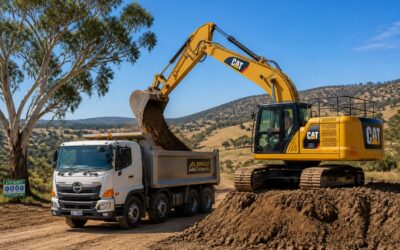
Excavators are the undisputed maestros of the dig. Their articulated arms and precise buckets make them invaluable for trenching, foundation work, and demolition. The true benefit of flexible can plant hire is the access it grants you to various sizes, from compact units for urban infill to massive 30 ton machines for bulk excavation. They offer a level of control that feels almost surgical when carving out a basement or shaping a slope.
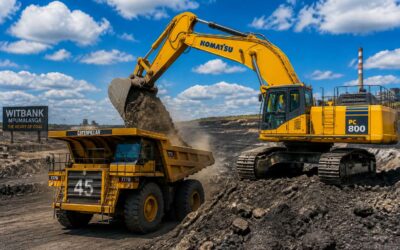
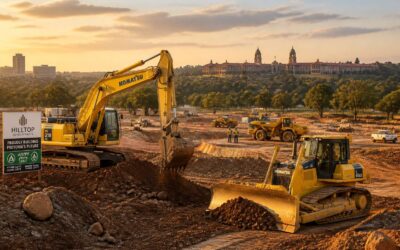
While the excavator digs, the bulldozer shapes. These tractors are the workhorses of any site, their heavy blades perfect for clearing land and pushing debris. Their immense ground pressure allows them to traverse terrain that would bog down lesser vehicles. For the dump truck, the role is that of a faithful partner in logistics. It moves the broken ground from the excavation point to the dumping area, keeping the entire operation fluid and efficient. The symbiosis between these machines is vital. You rarely need one without the other.
When planning your earthmoving strategy, consider the specific capabilities required for your site:
– Tracked excavators for stability on soft ground.
– Articulated dump trucks for superior maneuverability in confined spaces.
– Bulldozers with rippers for breaking up hard, rocky soil.
Ultimately, the choice of equipment shapes the narrative of the project. Mastering the interplay between these heavy hitters is the secret to a seamless operation.
Lifting Equipment: Cranes, Telehandlers and Forklifts
When a structure rises, something must lift it into place. In South Africa, cranes, telehandlers and forklifts carry that responsibility. The crane’s lattice boom traces arcs against the Highveld sun. A telehandler, with its telescopic arm, reaches where a forklift cannot. For awkward loads on rough terrain, these machines prove indispensable.
Consider the reach you need. A forklift suits warehouse floors and palletised cargo. A telehandler handles brick pallets on muddy sites. A crane, however, requires planning. Load charts, counterweights and ground conditions all matter. The advantage of can plant hire is that you select exactly the lifting profile your project demands. You do not need to store a crane when a simple forklift suffices.
- Mobile cranes for quick setup and travel.
- Tower cranes for tall structures.
- Rough terrain forklifts for uneven ground.
Compaction and Paving Equipment for Roadworks
South Africa’s road network spans over 750,000 kilometres, and every metre depends on proper compaction. Without sufficient rolling, asphalt fatigues and cracks within months. The machinery choice determines whether a road serves for thirty years or three.
Compaction equipment for hire typically includes:
- Smooth drum rollers for surface finishing
- Sheep’s foot rollers for deep soil compaction
- Pneumatic tyred rollers for sealing asphalt layers
Paving machinery, from motor graders to asphalt pavers, demands precision and constant calibration. This is where can plant hire proves its value on roadworks. You select the exact roller or paver for your current stage, then return it when the job moves forward.
For civil contractors, I have watched can plant hire transform the tendering process. You bid on a highway resurfacing project without owning a single paver. When the work begins, the equipment arrives. When the final mat cools, the machinery leaves. That is the quiet power of rental.
Power Tools and Generators for Smaller Projects
Power tools and generators rarely make headlines, but they carry the daily work of construction. Estate walls, renovations, and infrastructure maintenance in South Africa depend on equipment that arrives ready to run. A faulty drill or a silent generator halts a small crew.
- Plate compactors for soil and paving preparation
- Demolition hammers and chipping guns
- Diesel generators from 5 kVA to 500 kVA
- Concrete mixers and floor saws
Load shedding has made generator hire essential. A concrete pour cannot wait for Eskom to restore supply. With can plant hire, you match the power source to the task and return it once the pour finishes. You pay for the tool only when you need it, and no machine rusts in your yard afterwards.
Specialised Attachments and Accessories
There is a peculiar satisfaction in watching a perfectly good excavator swing a rock breaker instead of a bucket. It is the same feeling you get when a friend shows up with a chainsaw attachment for their tractor. Suddenly, you see the machine differently. Specialised attachments are where plant hire gets truly interesting. You can turn a single base unit into a dozen different tools, which is precisely where can plant hire shines for South African contractors who refuse to buy a dedicated machine for one job.
Attachments let you adapt to site conditions without waiting for a different delivery. Consider what is available:
- Hydraulic augers for fence posts and foundation holes
- Tilt rotators for precision grading in tight spaces
- Grapples for clearing vegetation and demolition debris
- Quick couplers that let a driver swap tools in minutes
Here is the practical bit: you hire the base machine for a week and add the attachment for two days. The rental cost stays honest, and your crew keeps moving. That flexibility is what makes can plant hire so appealing. You are not storing a rusting auger in your yard for eleven months. You are paying for the specialist piece only when the ground demands it. That is smart, and it is also rather fun.
Financial Benefits of Hiring Plant Over Buying
Reducing Upfront Capital Expenditure
In South Africa’s construction sector, tying up millions of rand in a single machine purchase can stall an entire project’s momentum. Capital that should flow toward wages, materials, and site logistics instead sits idle in steel. This is precisely where can plant hire transforms financial planning. The operator pays for capability, not ownership, which frees cash reserves for the unpredictable demands of site work.
The avoidance of depreciation alone reshapes a balance sheet. When you hire, the asset never appears as a liability, and the monthly rate covers servicing, breakdown risk, and replacement units. Consider what disappears from your cost structure:
- Down payments and financing interest
- Insurance premiums on owned equipment
- Storage, security, and licensing fees
Every rand saved upfront becomes working capital for tenders, payroll, or unexpected geotechnical surprises. For contractors across Johannesburg, Durban, and Cape Town, can plant hire offers a direct route to liquidity without sacrificing operational readiness.
Avoiding Depreciation and Resale Risks
Owners fixate on the purchase price, but the true cost of a machine is measured when it ages on the lot. That R2.5 million excavator loses a visible chunk of its value the moment it leaves the showroom floor, and that loss compounds with every engine hour. Resale is a gamble on market timing, machine condition, and shifting emissions standards. A contractor in the market for high quality plant hire on Gumtree or a formal rental agreement sidesteps this entire liability.
Machinery depreciation is a silent tax on every project budget. When the asset is yours, you carry the downside of its value nosediving.
– The model becomes outdated within three years
– Maintenance history reduces buyer confidence
– Compliance changes force expensive retrofits
For a business focused on turnover rather than asset retention, can plant hire converts a depreciating liability into a predictable operating expense. You pay for the work the machine performs, not for the hope of recovering its value later.
Maintenance and Repair Costs Included in Rental
Few contractors budget for the moment the hydraulic pump expires. The invoice for one catastrophic breakdown can exceed the rental fee you were elegantly avoiding. This is where can plant hire reveals its practical edge: maintenance and repair costs simply do not appear on your ledger.
Ownership hands you the machine’s entire appetite: new filters, fluid top-ups, and the very specific hourly rate of a technician in a branded van. That van, I assure you, is not inexpensive. Hiring hands that appetite to the supplier, who replaces the machine when it sulks and pays for every part from their workshop budget.
- Routine servicing remains the rental company’s obligation
- Breakdown repairs are charged to their account, not yours
- A replacement unit arrives promptly when a fix takes time
This arrangement converts an unpredictable expense into a fixed line item. For a contractor who values cash flow over machinery sentiment, can plant hire delivers a financial clarity that ownership rarely matches.
Tax Advantages of Operational Leasing
The most compelling reason to rent machinery often sits quietly in a tax consultant’s spreadsheet. The Department of National Treasury allows contractors to deduct rental payments as an operating expense in the year they are paid. This is the very heart of the tax advantage.
Instead of capitalising a machine’s cost and watching it depreciate over years, you write it off immediately. The benefit is a direct reduction in your taxable income, which improves cash flow for the entire financial year. When you secure can plant hire, you subscribe to a deductible amount that reflects your project’s true scale.
Ownership, by contrast, requires a capital allowance calculation that can take years to deliver tangible relief. The supplier’s invoice for can plant hire is a clean, undeniable expense.
Consider what this lessens in your accounting:
– No large asset register entries for equipment
– No complex depreciation schedules to track per machine
– No interest deductions on loans for machinery
– No residual value calculations at the end of the asset’s life
The financial structure of renting does not end with tax. A fixed monthly rental fee allows for precise budgeting. Contractors can forecast their job costs accurately, because the equipment expense is known before the first dig. This operational leasing model shifts the burden of cost uncertainty onto the supplier. The VAT on the rental can also be claimed back, depending on your tax status, which is immediate and straightforward.
This arrangement removes the phantom costs of ownership, such as licensing fees and storage. Each of those fees disappears from your balance sheet. When you compare the long-term financial drag of owning aging fleets to the clear, defined expense of can plant hire, the tax and budgeting logic is hard to ignore.
Scalability for Seasonal Workloads
Nothing haunts a balance sheet like a machine that sits silent for eight months. When seasonal rains dictate your schedule, owning equipment means paying for its slumber. Can plant hire turns that fixed liability into a flexible partner. You summon exactly what the project demands, then release it when the work dries up. I have watched contractors fund a bulldozer’s nap through a barren quarter, and the numbers are ugly.
Consider the rhythm of a typical South African contractor:
- Summer months bring earthworks, demanding extra excavators.
- Winter slows housing starts, shrinking your fleet needs.
Hiring aligns your costs with the calendar. A rented unit costs money only while it moves soil. You avoid the idle-asset drain, the insurance on parked iron, and the yard space it occupies. Can plant hire serves the project’s pulse. That is the financial edge waiting for you.
Better Cash Flow Management with Flexible Payments
Cape Town’s January sun blazes, yet your invoice might sit unpaid for ninety days. Buying plant upfront freezes your liquidity during those lean windows. Can plant hire offers a different path. You negotiate payment schedules that align with your own invoicing cycle, so the machine costs money only when your client releases funds. This preserves the cash you need for payroll and materials.
Flexible payments often include:
- Monthly rentals with deferred commencement
- Hourly rates for sporadic site demands
Each structure keeps your working capital available, converting a fixed obligation into a variable cost that matches revenue.
How to Choose the Right Plant Hire Provider
Assessing Equipment Quality and Maintenance Standards
A single failed hydraulic seal on a job site in Gauteng can stall a crew for hours. That is why evaluating a provider’s equipment quality matters as much as the contract itself. When you can plant hire a bulldozer or crane, you are staking your project timeline on that machine’s reliability.
Walk the yard before signing anything. Inspect the fleet for rust, fluid leaks, and worn tyres or tracks. Ask to see service logs and operator checklists. A reputable company will gladly show you their preventive maintenance schedule.
- Check the hour meter against the last service date.
- Request proof of certified inspections.
- Confirm that safety guards and signage are intact.
Providers who skimp on upkeep often offer lower rates, but the real cost is downtime. In South Africa, you can plant hire with confidence only after you have confirmed the provider’s response times for repairs and their stock of spare parts.
Checking Availability and Delivery Logistics
Nearly every project delay in South Africa traces back to a machine that arrived late or never showed at all. Availability is not merely a scheduling concern; it is the backbone of operational continuity. When you can plant hire equipment for a critical foundation pour, the provider’s fleet depth determines whether you wait days or start on time. Ask pointed questions about fleet size and the number of units currently out on contract. A provider with a thin roster may promise machines they cannot deliver, forcing you into a game of telephone with branch managers across Gauteng.
Delivery logistics deserve equal scrutiny. A crane that travels 200 kilometres from a depot in Durban to a site near Pretoria introduces variables like traffic, weather, and permits. Confirm whether the provider handles transport or whether you must arrange lowbeds and escorts. Some companies include delivery in the rental rate, while others itemise it with surprise fuel surcharges. Establish the exact point of transfer. If the machine arrives offloaded and ready to work, your crew saves valuable hours. If it arrives on a trailer requiring your own forklift for unloading, that cost shifts to you.
The geographical spread of depots matters more than most contractors realise. A provider with branches in multiple provinces can respond faster to breakdowns and swap out faulty units without cross-country freight delays. Consider their parts inventory as well. A machine sitting idle for a week because a filter had to be couriered from Johannesburg defeats the purpose of hiring in the first place.
1. Ask for their current equipment availability report in writing.
2. Confirm the lead time for specific machines, not just generic models.
3. Verify their policy on late deliveries and whether penalties apply.
4. Check if they offer backup units during breakdowns as part of the contract.
Each of these steps separates a logistics partner from a mere equipment lender. When you can plant hire with a provider who understands the pressure of a deadline, you buy more than machinery. You buy the certainty that your schedule holds, even when the unforeseen occurs. The quiet competence of a well organised yard speaks volumes before a single engine turns over.
Comparing Insurance and Liability Coverage
Insurance clauses in plant hire agreements hide the true cost of a project. Many contractors assume the rental rate covers damage, only to face a deductible that exceeds the machine’s monthly value. Look closely at who carries the risk while the unit operates on your site. The provider’s policy should cover third-party damage, but your own liability may attach the moment the machine leaves their yard. A reputable company presents a certificate of insurance before you can plant hire from them. Compare the excess amounts and excluded activities.
Clarify what happens in the event of theft or fire. Ask whether replacement value is based on current market rates or an outdated book value. Demand a written breakdown of coverages before you can plant hire any equipment.
- Request a copy of their public liability policy.
- Confirm whether your own insurance must be primary.
- Check if operator negligence voids coverage.
The fine print determines who pays when a load shifts or a trench collapses. Choose a provider who treats insurance as a partnership, not a loophole.
Evaluating Customer Support and On-Site Service
When you can plant hire from a supplier who treats support as an afterthought, every stalled excavator becomes a cascading cost. A skilled operator waiting on a dead machine burns money by the minute. The right provider answers the phone before the third ring.
- Response time for breakdown calls
- Availability of mobile service units
- Stock of critical spare parts
Ask where their nearest depot sits relative to your site. A Johannesburg contractor working in Polokwane needs a provider with regional reach, not a single workshop. Confirm whether a technician accompanies deliveries for complex units. The moment you can plant hire, test their communication channels. Send a query at night and measure the reply. That early signal predicts how they will behave when a gearbox fails. South African sites demand resilience. Choose a partner who arrives before the problem compounds.
Reading Reviews and Seeking Recommendations
Before you can plant hire from any supplier, solicit references and read online reviews with circumspection. A contractor’s complaint about a broken pump outweighs a five star rating! In South Africa, site conditions shift rapidly, and past performance predicts future behaviour.
- Find patterns in complaints about breakdowns or late deliveries.
- Contact the provider’s previous clients directly.
- Check the age of the reviews.
Seeking recommendations from engineers and site supervisors gives you the honest assessment. I have seen one conversation at a quarry prevent a costly rental mistake. When you can plant hire, trust the people who work in the same dust and heat as you.
Safety, Compliance and Environmental Considerations
Ensuring Operator Certifications and Training
The quiet hum of a diesel engine masks a darker truth: your operation’s safety ledger depends on who sits at the controls. With can plant hire, the machinery arrives pristine, but certification brings no such guarantee. South Africa’s OHS Act demands verifiable operator competence, not just a licence tucked into a wallet.
Environmental compliance also hinges on training. A MIG welder mishandled near fuel or a dozer over a wetland can spark fines that dwarf the rental fee. Every operator must know spill protocols, load limits, and daily inspection routines. Before signing, audit the hire company’s training records and ask for proof of competency assessments.
- Verify certification expiry dates
- Request site specific inductions
- Confirm machine specific training logs
Neglect these checks in can plant hire, and liability falls squarely on your project. Safety is not a feature; it is an obligation present in every pre-start checklist.
Adhering to Workplace Health and Safety Regulations
South Africa’s construction sites are monitored landscapes, and one oversight can cascade into litigation. The OHS Act and NEMA do not soften their stance for rental equipment. Every machine moving through can plant hire must meet strict operational criteria before it touches the soil. Inspectors look for visible compliance, and they dig deeper into your documented procedures.
Environmental accountability starts with containment protocols. Fuel storage, oil leaks, and dust suppression are your immediate concerns. If a rented excavator splits a hydraulic line near a stormwater drain, the damage is yours to remediate. Hire agreements often place this duty on the renter. You must know the spill response plan before the machine starts, not after the contamination spreads.
Routine inspections form the backbone of legal adherence. Your site team should verify the physical condition of every deliverable.
– Check for hydraulic fluid seepage around rams and fittings.
– Confirm that fire extinguishers are serviced and mounted.
– Look for valid roadworthiness documentation on mobile units.
– Verify that noise levels meet local municipal bylaws.
These checks protect your budget and your reputation. The rental company will provide equipment, but your site’s specific risks define the required safety measures. Ground conditions, nearby structures, and public access all influence how you operate the machinery. Adapt your methods to the environment, because a generic approach to can plant hire invites complications that no contract clause can fully cover.
Inspecting Plant for Safety Before Use
A machine that looks fine at a distance can hide failures in its seals and hoses. With can plant hire, responsibility shifts at handover. The hire firm hands over a serviceable unit, but your team owns what happens next on the ground.
- Check for hydraulic fluid seepage around rams and fittings.
- Confirm that fire extinguishers are serviced and mounted.
- Look for valid roadworthiness documentation on mobile units.
Do not trust a clean exterior. Environmental risk lives in small fractures and tired gaskets. A slow leak that stains the yard today will reach a stormwater drain tomorrow. South African sites do not give second chances for that oversight. Walk around the machine, run the engine, cycle the attachments! The few minutes spent inspecting before you start can plant hire equipment save weeks of legal exposure. This is not a formality; it is the difference between controlled operation and costly contamination.
Eco-Friendly Options: Electric and Low-Emission Machinery
Around 7% of global carbon emissions come from the construction sector, a figure that pressures every site manager to reconsider their machinery choices. The shift toward electric and low-emission units is no longer a niche preference. It is a practical response to tighter municipal bylaws and fuel price volatility across South Africa.
Choosing greener options through can plant hire arrangements allows contractors to access modern equipment without absorbing the full capital depreciation. Many suppliers now offer hybrid excavators and battery powered generators that operate quietly and cut particulate output. These machines suit urban projects where noise restrictions and dust control are non-negotiable.
Consider the operational side when evaluating green units:
– Ensure the hire company provides on site charging solutions or swap out battery packs.
– Verify the machine’s duty cycle works for your specific workload.
– Check whether the supplier offers training for crews unfamiliar with electric controls.
– Confirm the unit meets the local emission standards for your province.
The infrastructure for electric plant is still developing. Eskom’s load shedding does complicate things, but solar powered charging depots are becoming common at larger hire yards. A contractor who plans around these logistics gains a reputation for clean operations, which matters when tendering for government or corporate contracts.
Low-emission diesel engines remain a sensible middle ground. Modern Tier 4 units recycle exhaust gases and burn fuel more completely, reducing visible smoke and odour. This matters on sites near residential areas. Pairing these machines with proper maintenance schedules extends component life and keeps the job moving without delays.
The final decision hinges on your operational tempo and the distance between your site and the nearest charging hub. A short term project might favour a conventional unit with a newer engine. A long term dig with tight environmental covenants justifies a full electric fleet. Whichever route you take, remember that certified, low-emission equipment from a reputable supplier demonstrates careful stewardship of both budgets and the surrounding community. Flexible terms in can plant hire models now include swapping units mid contract, so you can adjust your carbon footprint as the project evolves.
Reducing Carbon Footprint Through Shared Resources
A single excavator idling on a site can emit the equivalent of a sedan driving hundreds of kilometres. Sharing machinery through can plant hire arrangements directly shrinks that number. When one machine serves three projects instead of three separate machines doing the work, the total carbon output drops dramatically. This shared economy model is quietly reshaping how South African contractors manage their environmental obligations.
The compliance landscape here is shifting. Municipalities are tightening air quality bylaws, and large-scale developers increasingly demand proof of sustainable practices from their subcontractors. Renting from a supplier who maintains a modern fleet means you inherit their compliance standards. Older, poorly maintained equipment often fails emission tests.
Safety and environmental responsibility are intertwined. Units that burn fuel cleanly run cooler and place less strain on hydraulic systems. This reduces the likelihood of fluid leaks contaminating the ground. When machines are rotated through a hire pool, they undergo rigorous servicing between contracts.
– Verify the supplier’s maintenance logs before signing for any can plant hire unit
– Establish that the equipment carries up to date emission compliance certificates
– Confirm that the operator manuals and safety guards on the unit are intact
Regular inspections are part of the shared model. A reputable hire yard will not risk a substandard machine damaging their reputation or your site. This shared responsibility ultimately reduces the carbon footprint per cubic metre of earth moved, while keeping operators safer and sites cleaner. The confidential nature of hire agreements means you can negotiate for newer, greener units without the long term commitment of ownership. A competitive can plant hire market encourages suppliers to upgrade their stock, which benefits the environment across every province.
0 Comments