
Understanding plant hire in Lephalale
Definition and scope of plant hire
In Lephalale’s construction heartbeat, a telling stat surfaces: 68% of mid-scale builds reach milestones more predictably when plant hire lephalale arrives on cue. “The right machine at the right moment changes everything,” a veteran site manager often says, eyes bright with the glow of progress. Machinery isn’t a luxury here—it’s the quiet hinge that keeps schedules from slipping and budgets from bending.
Understanding plant hire lephalale means seeing beyond the wheels and cylinders to a philosophy of timing, reliability, and fit. It covers both the machinery itself and the service orbit around it: delivery, maintenance, fuel, and optional operators. I’ve learned that timing is the quiet engine behind every dollar spent. Consider these core categories:
- Earthmoving equipment for excavation and grading
- Lifting, access, and on-site handling gear
- Support options, including on-site operators and routine servicing
Within plant hire lephalale, choices must match terrain, project phase, and risk appetite, ensuring the work breathes and progresses with dignity.
Key equipment commonly rented in Lephalale
Across Lephalale’s expanding building sites, progress travels on a single, humming thread: the machine arriving on cue in SA’s evolving landscape. Understanding plant hire lephalale means reading timing, reliability, and fit as a single framework—not a string of separate components!
Key equipment commonly rented in Lephalale includes:
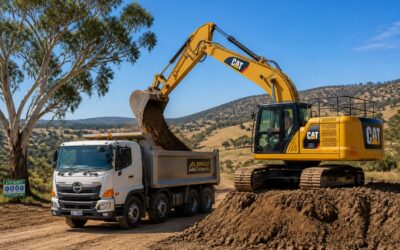
- Excavators for trenching and bulk earthworks
- Backhoe loaders for flexible site management
- Bulldozers and graders for aggressive preleveling
- On-site access gear, such as elevated work platforms
- Small to mid-range cranes for lifting and placement
Add-ons like on-site operators, fuel supply, and routine maintenance form the orbit around the machine, ensuring the work breathes and the schedule holds.
When to hire equipment vs buy
Industry reports suggest equipment delays can push construction timelines by up to 20% across SA projects. In Lephalale’s growing sites, that clock is unforgiving, and a missed delivery can ripple through weeks of weathered deadlines.
Understanding plant hire lephalale means reading timing, reliability, and fit as one framework—not scattered components. When to hire versus buy hinges on project duration, maintenance burden, and the price of idle gear tied up on site.
Key considerations include, briefly:
- Project length and peak demand
- Total ownership vs rental cost
- Maintenance, storage, and transport logistics
- Availability of skilled operators and support
Local availability and supplier networks
In SA construction, equipment delays can push timelines by as much as 20%. In Lephalale, that clock bites hard. Plant hire lephalale is less about equipment and more about timing, reliability, and fit on this growing corridor.
Local availability and supplier networks are the backbone. Lephalale’s suppliers operate regional depots, mobile workshop units, and a fleet that can reach sites within short lead times, minimizing idle gear on site. Plant hire lephalale thrives when proximity, weather-aware delivery, and responsive swaps align with project milestones.
- Regional depots and expansive fleets
- Weather-aligned delivery windows and rapid swap options
- On-site support from local technicians
That local network prioritizes speed, reliability, and local knowledge—factors that make plant hire lephalale a practical choice for Lephalale projects.
Industry standards and best practices
Across SA, equipment delays can push timelines by as much as 20%. In Lephalale, every hour counts, and understanding plant hire lephalale standards and best practices helps keep projects on track.
Industry standards emphasize safety, maintenance discipline, and transparent partnerships. Adopted practices include qualified operators, documented pre-use checks, regular servicing, and clear service level agreements that define swaps and response times. Weather-aware logistics and on-site support from local technicians are also essential here; the aim is reliability you can plan around!
- Safety certifications and operator qualifications aligned to local regulations
- Systematic maintenance, inspection schedules, and prompt defect reporting
- Clear SLAs, warranties, and rapid swap options to minimise downtime
- Weather-aware delivery windows and local logistical know-how
Measured performance and continuous improvement ensure the approach remains practical in this corridor of growth.
Industry applications for plant hire in Lephalale
Mining and quarrying projects
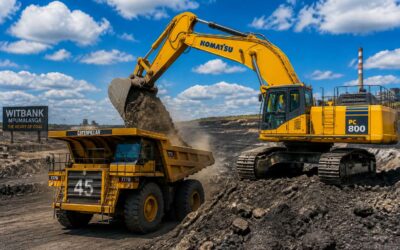
Lephalale’s rugged landscapes test every project, yet the right equipment arrives like clockwork and the work goes on. We know time is the ore we chase; in mining and quarrying, flexible plant fleets unlock critical momentum. A seasoned operations chief once said, ‘Time is the ore we chase’; that truth fuels decisions to align gear with phase, season, and scale. From compact excavators to heavy-duty screens, industry applications flourish when machines arrive on schedule and tasks fall into rhythm rather than friction.
- Overburden removal and stockpile management
- Haul-road development and site access
- Material handling and temporary processing prep
Across operations, the strategic use of plant hire lephalale supports overburden removal, haul-road development, and material handling with minimal disruption. It offers scalable capacity, predictable costs, and faster mobilization for evolving project phases—letting teams choreograph excellence with each shift.
Construction and infrastructure developments
Across Lephalale’s expanding skylines, progress beats to a precise rhythm. In project camps, on-time gear cuts downtime and keeps milestones tangible, a tempo the whole team can feel. “Time is the ore we chase,” a veteran operations lead reminds crews navigating rugged terrain and shifting schedules. Plant hire lephalale turns ambition into momentum, tailoring fleets to phase, season, and scale so foundations pour, roads rise, and communities take shape with confidence.
- Urban road upgrades and access corridors
- Water management and drainage systems
- Industrial park development and logistics hubs
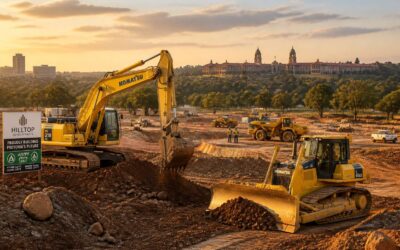
Equipment flexibility lets the fleet shift from trenching to material handling as projects breathe and expand. Timely deliveries of compact excavators, wheel loaders, and screens minimize disruption and accelerate earthworks, keeping Lephalale’s infrastructure programs on a predictable track.
Agriculture and land management
Lephalale’s farms demand precision, and plant hire lephalale translates plans into productive rows. In landscapes where irrigation governs yield, the right fleet keeps trenching, grading, and access in perfect rhythm. “Time is money in the field,” a veteran ops lead says, and the equipment tailors itself to seasons, ensuring soil stays on the move and crops stay on track.
- Soil preparation and levelling for cultivation and pasture layouts
- Irrigation trenching and drainage to protect against runoff
- Scrub clearance and land shaping to improve planting corridors
- Tracks and access roads within large properties for mobility
- Dam and watercourse maintenance to safeguard water supply
These industry applications illustrate how a practical fleet transforms land management for farming across the region.
Maintenance, events, and facilities management
In Lephalale, downtime can drain up to 30% of daily budgets during peak season. Facility managers feel the squeeze—one hiccup can ripple through a conference, sports event, or municipal building. That’s where plant hire lephalale becomes a quiet ally, turning complex maintenance tasks and event setups into a well-choreographed routine. From lifts to compact excavators, the fleet adapts to the rhythm of big venues and daily campus life.
- Routine maintenance tasks like road and grounds repairs to keep large facilities accessible
- Event infrastructure: staging, rigging, power distribution, and rapid site build-outs
- Facilities management support: drainage, pavements, and landscape improvements
Across Lephalale’s climate and landscapes, a tailored fleet keeps venues safe, accessible, and ready for peak season. plant hire lephalale blends reliability with nimble response, turning every project into a controlled, efficient operation.
Choosing a plant hire partner in Lephalale
Fleet quality and equipment conditions
In Lephalale, more than half of mid-sized projects ride on plant hire lephalale fleets to stay on schedule and on budget. That means picking the right partner isn’t cosmetic—it shapes outcomes from day one.
A strong partner maintains a modern, well-kept fleet with clear service histories, prompt breakdown response, and transparent usage records. Equipment conditions should reflect regular checks, compliant safety audits, and readiness to deploy when needs spike!
- Regular maintenance logs and up-to-date service records
- Current equipment age, uptime, and available backup units
- Certified operators and operator training options
- Remote diagnostics, GPS tracking, and on-site support
Pair fleet quality with local availability and responsive service to avoid delays. This plant hire lephalale approach helps you navigate procurement cycles and regulatory checks, keeping the workforce productive.
Safety compliance and certifications
Behind every on-schedule milestone lies a stubborn truth: safety certifications aren’t accessories; they’re the ignition switch for progress. In Lephalale’s busy work fronts, choosing a plant hire lephalale partner who treats compliance as a living standard isn’t cosmetic—I’ve seen projects hinge on it from day one. When safety is embedded, equipment becomes a dependable partner rather than a ticking clock.
- Up-to-date safety audits and permit-to-work records
- Certified operators with ongoing, SAQA-aligned training
- Clear, auditable compliance with national safety acts and standards
- Transparent incident reporting and near-miss tracking
Safety compliance and certifications aren’t burdens; they’re the quiet engine that keeps Lephalale crews productive and projects advancing. That emphasis defines what this approach can truly deliver.
Maintenance and breakdown support
In Lephalale, uptime doesn’t happen by accident—it’s engineered. A recent corridor of projects reveals downtime can siphon a surprising chunk from budgets, the kind of truth that lingers long after the dust settles. Choosing a partner for plant hire lephalale is more than securing gear; it’s inviting a dependable ally whose promise is continuity. I’ve seen projects hinge on a single wrench turning on time, and when equipment runs as a trusted companion, maintenance and breakdown support become a quiet engine—keeping crews on track and dreams moving with the tempo of the day.
Look for a partner who treats service as a living standard:
- 24/7 breakdown response with on-site diagnostics
- Spare parts stocked locally for rapid turnaround
- Proactive maintenance scheduling and transparent service windows
That proactive pulse makes every shift feel possible.
Delivery, setup, and site access
Lephalale projects move to rhythm and timing; in the realm of plant hire lephalale, delivery is a measure of sound planning rather than luck. A partner who can orchestrate delivery, setup, and site access ensures machines arrive ready to work, and crews stay in the groove without waiting for gear to arrive from elsewhere!
With plant hire lephalale, delivery windows and setup are not afterthoughts but the skeleton of safe, efficient operation. Choose a partner whose delivery windows, setup teams, and site access plans read like a single, well-rehearsed script:
- On-time delivery windows aligned with your project schedule
- Efficient, safe setup that minimises disruption
- Clear site access planning including routes, weight limits, and turnarounds
I’ve watched crews breathe easier when routes are mapped, cranes are staged, and gates opened before dawn. That clarity becomes the daily tempo, quietly preserving budgets and momentum.
Pricing, terms, and transparency
Choosing a plant hire partner in Lephalale is a dance of trust, timing, and price that makes or breaks the day. plant hire lephalale should feel like a map drawn with care—clear enough to navigate but flexible enough to bend with the project’s tempo. Transparent pricing and honest terms set the pace from dawn.
Look for these anchors:
- Transparent pricing with no hidden fees and a clear rate card
- Fair terms, predictable invoicing, and straightforward cancellation policies
- Visible commitments for service levels, warranties, and escalation paths
With the right partner, budgeting stays on script and crews glide through the day. In South Africa’s landscapes, a trustworthy supplier in Lephalale brings clarity to invoicing, milestones, and maintenance windows—keeping momentum steady and surprises minimal.
Cost considerations and budgeting for plant hire in Lephalale
Understanding rental rates and billing structures
Cost considerations and budgeting for plant hire in Lephalale hinge on clarity, not guesswork. Real-world rates weave daily, weekly, and monthly rhythms with unspoken charges for transport, setup, and fuel. When you plan with plant hire lephalale in mind, ask for a transparent breakdown that reveals minimum hire periods and any standby or overtime fees. A thoughtful quote helps you map project timelines to equipment availability, avoiding costly delays and surprise invoices.
- Daily, weekly, and monthly rate structures that fit your timeline
- Transport, installation, and fuel surcharges on every invoice
- Itemized, transparent invoices with clear line items
Get the picture right, and plant hire lephalale becomes a trusted ally, aligning project milestones with budget and risk in one adventurous stride.
Insurance, liability, and risk management
Every project carries risk, and on South African sites the real cost hides in what isn’t insured. In plant hire lephalale, budgeting starts with guarding against damage, loss, and liability as much as the equipment price. A solid plan pairs transparent terms with reliable coverage so you can forecast cash flow, not chase invoices.
Insurance and risk management aren’t afterthoughts. They are part of the project’s backbone. A clear policy should cover third-party liability, theft and damage, transport, and on-site incidents.
- Comprehensive equipment insurance and third-party liability
- On-site risk assessments and operator training
- Defined incident, claim, and downtime response
For plant hire lephalale, sound insurance and risk controls translate into steadier timelines and predictable costs.
Fuel consumption and efficiency
Lephalale’s sunlit site rhythms teach a hard truth: fuel is as much a cost driver as the price tag on the machine. In many projects, fuel burn can swing 20–30% from light idle to heavy load, shaping cash flow before the first invoice settles. For plant hire lephalale, budgeting means accounting for expected duty cycles, idle times, and transport legs alongside equipment price. Choose units with efficient engines and smart controls, and model how diesel habits align with the job’s tempo on-site.
- Load factor, cycle time, and idle duration
- Engine efficiency, fuel type, and idling shutdown features
- Transport logistics and on-site refuelling practices
Longer-term foresight covers fuel price volatility, maintenance intervals, and downtime costs. A solid plan pairs transparent terms with reliable uptime so you can forecast cash flow, not chase invoices. Align equipment choices with the site’s rhythm, ensuring engines balance power with efficiency when demand shifts.
Maintenance costs and uptime guarantees
Cost considerations for plate hire lephalale hinge on more than the sticker price. Maintenance costs and uptime guarantees matter because downtime eats cash faster than heavy lifts. Budgeting here means locking in service SLAs, predictable parts lead times, and clear terms for site calls; a well-structured plan keeps projects moving while invoices follow the rhythm of progress, like a compass guiding a fleet through a shifting quarry.
- Scheduled maintenance windows and parts availability
- Transport, mobilisation, and site access fees
- Fuel efficiency, engine wear, and downtime costs
Longer-term forecasts should model price volatility and spare-parts cycles, ensuring the options balance capability with reliability. Transparent uptime guarantees, together with a flexible fleet mix, transform budgeting from a wary guess into a steady beacon for site success.
Contract terms, deposits, and cancellation policies
Some numbers speak louder than invoices: up to 40% of project overruns come from murky contract terms rather than the sticker price. Budgeting for plant hire in Lephalale becomes a study in trust—deposits, payment milestones, and cancellation rules shape the cadence of every build. A solid contract spells the deposit amount, when it’s refundable, mobilisation charges, and what happens if equipment returns late or early.
Then there’s cancellation with grace: notice windows, penalties, and the option to reschedule without tears in the budget. Transparent terms keep cash flow predictable and the project moving, even when quarry dust haunts the timetable. In practice, contracts that present clear scope, fixed rates for the agreed period, and a straightforward process for amendments reflect the human element demanding fairness as much as numbers do. plant hire lephalale
Maximizing ROI from plant hire in Lephalale
Project planning and scoping for equipment needs
Some projects in Lephalale show ROI climbs when equipment needs are nailed down before the first shovel hits the ground. When scoping is thorough, downtime can drop by up to 25%, and uptime climbs as teams keep pace with tight milestones. For plant hire lephalale, the surest ROI comes from mapping every task to the right machine and exposing bottlenecks before they bite. A simple forecast—how many crews, task duration, and required power and fuel—goes a long way toward predictable costs and reliable delivery.
Next, translate that forecast into a site-ready equipment roster, accounting for ground and access constraints, weather, and local lead times in Lephalale. Align delivery with shifts to keep work flowing.
Key steps to align plant hire lephalale with ROI targets:
- Map each task to a specific machine and runtime
- Buffer maintenance and fuel to prevent downtime
- Coordinate deliveries with site access and shifts
Site readiness and logistic planning
In Lephalale, the fastest ROI starts before the first shovel digs in. On projects where equipment needs are locked early, downtime can fall by as much as 25%, and uptime climbs as milestones stay within reach.
Translate that forecast into a site-ready roster, considering ground conditions, access routes, weather, and local lead times in Lephalale. With plant hire lephalale, ROI grows when every task is matched to the right machine and bottlenecks are flagged before they slow progress.
A simple forecast—crews, task durations, and required power and fuel—frames costs and delivery reliability. Site readiness and logistics planning keep deliveries aligned with shifts, ensuring a steady rhythm that moves from trench to triumph.
Operator training and safety programs
Uptime in Lephalale is a living currency: for every hour saved, profitability grows louder. In projects where operator readiness is prioritized, downtime falls by as much as 25%, turning cautious forecasts into confident milestones. With plant hire lephalale, the quiet art of preparation becomes a loud advantage, a rhythm that carries crews from trench to triumph.
I’ve watched teams blossom when training blends hands-on coaching with safety rituals. Operator training and safety programs aren’t mere checklists; they’re living cultures that preempt bottlenecks and protect people. They include:
- Structured onboarding and competency checks
- Regular refresher courses and practical simulations
- Equipment-specific safety briefings and PPE discipline
When crews carry that knowledge, decisions quicken, maintenance windows stay predictable, and ROI grows as every task is matched to the right machine—an ecosystem where plant hire lephalale keeps safety and performance dancing in tune.
Preventive maintenance and uptime strategies
Every hour of uptime is currency on Lephalale sites, and plant hire lephalale is the key to turning that currency into steady profitability. When preventive maintenance is built into the plan, unplanned downtime drops and throughput climbs—ROI becomes visible, not theoretical.
Maximizing ROI means pairing the right machine with the task and keeping it healthy. Simple routines—daily checks, timely lubrication, and clean refueling—keep the fleet dependable from trench to site finish!
With this approach, projects stay on track, costs stay controlled, and uptime becomes the everyday advantage.
Vendor coordination and performance tracking
Every hour of uptime is currency on Lephalale sites, and plant hire lephalale is the instrument that turns that currency into steady profit. In the brutal arithmetic of large projects, even a whisker of downtime costs more than fuel—ROI becomes tangible the moment you align machines with tasks, track performance, and keep the fleet healthy.
From where I stand, vendor coordination shifts from a tug-of-war to a delicate waltz when dashboards sing in harmony and swaps are seamless. Performance tracking keeps promises honest and budgets sane.
- Transparent SLAs that balance availability and response times
- Shared dashboards for real-time health and utilization
- Consistent review cycles that tie uptime to cost recovery
With that melody, projects stay on tempo, costs stay controlled, and uptime becomes the everyday advantage.
0 Comments