
Understanding Equipment Rental Options
Benefits of Renting Over Buying
A 2023 industry survey revealed that nearly 60% of construction firms rent at least half of their equipment fleet. That number should surprise no one who has ever watched a shiny new excavator depreciate faster than a politician’s promise.
For those exploring options in plant hire victoria, the rental route offers flexibility that ownership simply cannot match. You pay for the machine only when it earns its keep. Seasonal spikes, one-off projects, or unexpected breakdowns become manageable expenses rather than capital headaches. The supplier handles maintenance, storage, and the joy of dealing with mechanical failures.
Here is the practical breakdown:
1. Cash flow stays predictable with fixed rental rates.
2. Access to modern models without long-term commitment.
3. No resale anxiety when the job wraps up.
4. Compliance and servicing are someone else’s problem.
Choosing plant hire victoria means you swap the burden of idle assets for the simplicity of a working machine. After all, the best piece of equipment is the one that appears on site ready to work, not the one sitting in your yard collecting rust and insurance bills.
Types of Equipment Available
Walk onto any construction site and you will notice something curious. The machines differ as much as the people who operate them! Understanding that difference is the quiet art of equipment hire.
Equipment hire options generally fall into three camps:
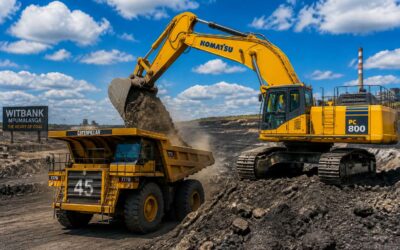
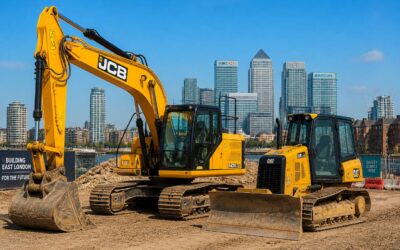
- Earthmoving machinery, including excavators and bulldozers, handles the heavy lifting.
- Access equipment, from scissor lifts to boom lifts, solves the vertical problems.
- Compact utilities, the plate compactors and dumpers, do the unglamorous work.
Consider the size of your site and the nature of the terrain. A cramped urban plot requires different machines than an open field. Most plant hire victoria providers stock all categories, so the limitation is rarely availability; it is knowing what you actually need.
How to Assess Your Project Needs
Industry estimates suggest nearly 30% of rented equipment remains stationary on South African job sites. That waste starts before you make a single call. A sharp assessment of project needs is the only way to avoid paying for machines that sit unused. When you engage with a plant hire victoria firm, bring hard numbers. That includes site access width, soil compaction levels, and daily production targets.
Consider these factors:
- Delivery and removal logistics if access is restricted.
- Operator skill levels available on your crew.
- Power availability for electric models during load shedding.
Always overestimate the operator’s fatigue factor. A machine that works 10 hours needs a buffer for breakdowns. Match the machine size to the task, not the ego. Accurate assessment transforms hire from a gamble into a budget line.
Comparing Rental Providers
The cheapest quote on a machine is often the most expensive one in the long run. I have seen plant hire victoria contracts hide fuel penalties, silent outage clauses, and transport fees that appear only after the invoice lands. Understanding the rental options means decoding these details before you sign.
When comparing providers, start with the fine print. Compare these items:
- Contingency plans for equipment breakdowns
- Fuel management policies and consumption baselines
- Penalty structures for late returns
Each provider prices risk differently. Some build buffer time into their rates. Others assume your project will run perfectly. A thorough comparison reveals which version of reality you are paying for. Choose the one that matches your site’s actual rhythm.
Key Considerations for Construction Machinery Hire
Safety Standards and Compliance
Safety standards in construction machinery hire carry more weight than the rental contract itself. Within plant hire victoria, compliance is a covenant with your workforce, not a box to tick. The Occupational Health and Safety Act requires that every piece of equipment meets rigorous inspection criteria before it touches the site. A reputable supplier will produce service records and certificates without hesitation. Ask to see the logbook, not just the keys.
Consider these non-negotiables when reviewing compliance:
- Current third-party inspection certificates
- Documented daily pre-use checklists
- Proof of operator competency for each machine type
- Visible safety decals and emergency stop functionality
Your legal liability does not end at the rental counter. A machine that fails on site becomes your problem, and the insurance paperwork will not comfort you. Engage with a provider in plant hire victoria who treats these details as a matter of professional pride.
Cost Factors Beyond Daily Rates
Rental rates are only the visible tip of the invoice. The true ledger of plant hire victoria extends into transport logistics, fuel consumption, and operator call-out fees. A machine quoted at a modest daily rate can double its cost before the first bucket of earth is turned.
Site access matters. A cramped urban plot in Johannesburg or a muddy Mpumalanga farm demands different machinery, and those demands shape the final figure. Ground conditions, weather delays, and demobilisation charges all leave their mark.
Consider these hidden expenses when comparing quotes:
– Delivery and collection windows
– Fuel policies and usage meters
– Insurance excess and damage liability
– Standby time for operators
Every one of these variables separates a cheap headline from an honest total, and this is where plant hire victoria providers earn their keep. Ask for a breakdown. A supplier who cannot itemise the costs is hiding them.
Operator Qualifications and Training
Every machine is a dumb beast until a qualified hand takes the controls. The steel and hydraulics of plant hire victoria mean nothing without an operator who understands the ground beneath them. Certification is the first gate. A licence proves the basics, yet the shadowy corners of a site test what papers cannot. Night shifts, high winds, the creeping mud of a lowveld morning. These demand training that goes beyond the manual.
The machinery itself changes. New models arrive with electronic systems that whisper warnings only the initiated can hear. For plant hire victoria, the burden falls on both supplier and renter. Verify credentials. Check logbooks. Confirm that the person on the machine has rehearsed the emergency drills, not merely recited them.
Consider the following:
– Operator certifications and their expiry dates
– Familiarisation with the specific machine model
– Site specific induction and safety briefings
Insurance and Liability Coverage
Nobody cheers when you review the indemnity clause, but a collapsed trench tends to focus the mind. With plant hire victoria, the line between the supplier’s responsibility and your own is often blurred.
For this specific hire, confirm whether the daily rate covers public liability or if you are buying that coverage separately. Also verify who pays if the machine is stolen overnight while it sits on your site boundary.
Ask these three questions explicitly:
- Who bears the excess if the operator damages the bucket?
- Is the machine covered while idling or only during operation?
- Are you liable for consequential damages like a cracked slab?
The quote is meaningless if the fine print leaves you exposed.
Inspecting Equipment Before Use
A thirty second inspection can prevent a three week delay. When you book plant hire victoria, never accept a machine based on a photo in the brochure. I learned this the hard way after a faulty hydraulic pump stalled an entire foundation pour. Walk around the unit with a checklist, and do not skip the small stuff.
Look closely at:
- Hose connections and oil leaks
- Welds on buckets and arms
- Battery terminals and electrical wiring
Start the engine and work each control through its full range. Listen for odd clunks. Check the hour meter and ask for service records. The quote might look attractive, but a worn machine will eat into your profit faster than the rental rate. Take photos of any damage before you drive off. That simple habit keeps the deposit dispute out of your inbox.
Navigating Local Regulations and Permits
Licensing and Registration Requirements
Nobody dreams about paperwork when they rent a digger. Then the inspector arrives! In South Africa, the regulatory landscape for plant hire victoria operates with a certain bureaucratic enthusiasm that demands attention. You will need to verify whether your municipality requires a permit for operating heavy machinery on public roads or within certain zones.
Licensing requirements differ by province and by equipment class. A forklift operator needs different credentials than someone running a crane, and the equipment itself often requires registration. For plant hire victoria, the local authorities expect the same compliance as any permanent fleet. Typical obligations include:
- Proof of ownership or rental agreement documentation
- Valid operator certificates for each machine type
- Municipal permits for road transport of oversized loads
Registration numbers must be visible and legible, and the paperwork should match the machine’s serial numbers exactly. Discrepancies cause delays and fines.
Transporting Machinery on Public Roads
Moving a 20 ton excavator across town sounds simple until you face the permit desk. In South Africa, the road transport of heavy machinery demands more than a steady hand. Municipal bylaws vary, and traffic officers often check permits before the machine even reaches the highway.
For plant hire victoria, every route requires specific paperwork:
- Overload permits from the relevant provincial authority
- Escort vehicle approvals for abnormal loads
- Time restrictions for travel through urban zones
Each municipality sets its own fees and processing times. Some roads have weight limits that surprise even experienced operators. Getting these details wrong stops your project cold, so treat the permit process as part of the rental day itself.
Environmental and Noise Regulations
Every municipality in South Africa treats noise and environmental impact differently. One site might demand a full environmental management plan, while the next only requires a basic registration. I have watched rental projects stall for weeks over a missing dust control permit. For plant hire victoria, these local rules shape the daily schedule more than any machine specification.
Noise limits are the hidden trap. Some urban areas restrict operating hours to 7am until 6pm, with decibel readings measured at the property boundary. The equipment itself might be quiet, but the surrounding community has a voice. Environmental regulations also cover water runoff, fuel storage, and vibration levels.
- Confirm the municipal noise bylaws before booking delivery
- Verify dust suppression requirements for your specific site
- Budget for environmental monitoring fees in dense zones
The cost of non compliance is a stop work order. That is a headache no project manager needs. Keep a file of every local permit and renewal date, because inspectors do not give second chances.
Site Access and Setup Permits
Launching heavy machinery on a public road is a paperwork exercise more than anything else. Before the first load leaves the yard, the local municipality wants its setup permit on file. That often means a separate application for kerb access, pavement protection, and temporary road occupation. The environmental approval covers dust and noise. The access permit covers the sidewalk you might crack.
No two municipalities apply the same threshold. One town demands a full traffic management plan for a five-ton excavator; the next barely asks for a sketch. I have seen plant hire victoria deliveries stall because nobody checked the bridge weight rating on the planned route.
– Confirm the access route with the local roads authority before dispatch
– Verify kerb protection requirements for the machine’s axle load
– Check gate clearance against the full height and width of the equipment
Plant hire victoria operators book access approvals alongside the machine, not after. You should too!
Maximizing Efficiency and Minimizing Downtime
Scheduling Deliveries and Pickups
On any active site, the moment between a machine finishing and the next arriving is loaded with risk. A single late delivery can strand crews for hours, while an early pickup might pull equipment out from under a task still halfway done. In plant hire victoria, the difference lies in timing. I have watched operators stand idle at 6 a.m., waiting for a boom lift that had been confirmed the night before. Schedules slip without constant attention.
Smooth handovers depend on a few rigid habits. The most effective ones are straightforward:
- Gate codes confirmed before dispatch
- Arrivals aligned with the morning briefing
- Pickups staggered to prevent queueing
These small steps save minutes at every handover. Over a week, they add up to hours. Uncertainty causes the worst delays. When arrival times hold, crews keep working.
Maintenance and Breakdown Support
Every hour a machine spends in the workshop is an hour it spends plotting a comeback, usually at the worst possible moment. In plant hire victoria, downtime is not an abstract concept. It is a line item that eats margins for breakfast.
Breakdown support separates the heroes from the paper tigers! A provider that rolls a replacement unit to your site before the original has cooled down is worth their weight in gold. Look for response times that are measured in hours, not days. Response times vary wildly, and some never answer.
- Preventive maintenance schedules that are actually followed
- Diagnostic reports that explain, not excuse
- A hotline that picks up on the third ring
- A stock of common spare parts
In plant hire victoria, maintenance is not glamorous. It is the unglamorous work of checking fluids and greasing joints. But it keeps the machines running and the project on schedule.
Utilizing Telematics for Fleet Tracking
Telematics changes how we monitor equipment in plant hire victoria. A GPS unit and onboard sensors send live data from each machine. You see fuel burn, idle time, and engine hours without leaving the office!
Fleet tracking reveals patterns that operators miss. A machine that sits idle for three hours costs the same as one working at full capacity. Telematics flags that waste. It also flags unusual vibrations before they become failures. The system tracks:
- Engine hours and service intervals
- Fuel consumption and refuelling events
- Location and geofence alerts
- Error codes from onboard computers
This data shapes scheduling in plant hire victoria. When a unit approaches its service interval, the system alerts the depot. We send a technician with the right parts, the work happens during planned breaks, and the machine returns to the trench before the crew finishes their tea. Downtime shrinks because someone watched the numbers.
Optimizing Rental Duration and Overtime
The rental clock starts the moment equipment leaves the depot. Every extra day on site in plant hire victoria adds cost without adding value. The sharpest operators measure their rental window in hours, not weeks. They coordinate delivery with site readiness, so the machine arrives when the trench is dug, not before.
A common mistake is underestimating how long a project phase will take. Weather delays, material shortages, and unexpected ground conditions all stretch timelines. Overtime rates often exceed the standard daily rate by a significant margin. One way to control this:
- Build a buffer day into the rental period for high risk tasks
- Confirm the return date in writing before delivery
- Negotiate a reduced rate for extended periods at the start
The most successful hire contracts in plant hire victoria include clear overtime terms. That clarity prevents surprises on the final invoice.
Coordinating Multiple Equipment on Site
One stalled machine on a shared site creates a chain reaction. The excavator waits for the tipper, the tipper waits for the loader, and the loader waits for the spoil to clear. In plant hire victoria, this kind of idle time erodes margins faster than any rate hike.
- The coordinator sequences every movement
- Equipment arrivals are staggered to prevent bottlenecks
- A live task board stays visible from every cab
The coordinator tracks each unit against its planned cycle. When one machine finishes early, they reassign it to the next task rather than letting it sit. Communication happens directly between operators and the coordinator, not through a chain of messages. This reduces the gap between task completion and redeployment. Efficiency emerges from constant, small adjustments.
Building Long-Term Partnerships with Suppliers
“The best machine is the one you never think about,” a veteran site manager once told me. In plant hire victoria, that forgetfulness is engineered through long term supplier relationships. A partner who understands your site’s ground conditions, your crew’s habits, and your typical failure points can intervene before a minor fault becomes a full stoppage.
These partnerships reduce downtime through shared data and honest communication. The supplier reviews telematics from your rented units, aligns maintenance windows with your idle periods, and prepositions spare parts for the specific models on your yard. Response times shrink because they know your access routes and safety protocols.
- Proactive inspections during scheduled breaks
- Guaranteed replacement units within hours
- Joint reviews of equipment performance after each project
Efficiency emerges from this closeness. The supplier anticipates, you adapt, and the margin for error narrows with every job.
Future Trends in Machinery Rental Industry
Adoption of Electric and Hybrid Equipment
Electric and hybrid equipment are moving from novelty to necessity in the rental market. Plant hire victoria operators are seeing a steady uptick in demand for battery powered loaders and hybrid excavators, especially on projects where fuel costs keep climbing. Plant hire victoria has become a testing ground for machines that promise lower emissions and quieter operation.
Smart rental firms are investing in mobile charging units and modular battery packs. This allows them to swap depleted batteries on site instead of waiting for a recharge. The early movers report lower maintenance expenses and higher resale values, which offsets the upfront price premium.
- Rapid charge stations integrated into rental depots
- Telematics alerts for battery health and energy usage
- Portable solar generators for remote operations
Adoption will accelerate as hybrid drivetrains prove their worth in harsh conditions. Contractors who test these machines now will have a decisive edge when diesel bans eventually reshape the industry.
Automation and Remote Operation
A single remote operator can manage three machines simultaneously, and I’ve watched it happen on plant hire victoria sites. Control rooms replace cabs, joysticks replace steering wheels. Automation tackles repetitive tasks, freeing skilled workers for complex decisions.
Rental firms already deploying:
- Autonomous rollers for pavement compaction
- Drones for site surveying linked to machine guidance
- Real time collision avoidance systems
In my experience, the competitive gap is widening. Companies that embrace remote operation bid lower and finish faster. Those that hesitate watch their machinery idle while smarter operators take the contracts. The shift is quiet and decisive.
Digital Platforms for Instant Booking
In plant hire victoria, the direct telephone call no longer dominates. Digital platforms for instant booking have moved the rental ledger online. A site manager can check machine availability across three depots, confirm a rate, and schedule delivery without leaving the cab. The transaction takes minutes, not hours.
These platforms pull live data from fleet telematics. That means the system knows when a unit returns from a job and whether it needs servicing. The effect is a transparent equipment market. Idle machines become visible, and productive units get booked faster. Platform features include:
- Real time rate comparisons across depots
- Contractual documents generated automatically
- Delivery slot selection tied to GPS routes
Rental firms use the data to anticipate demand, while contractors gain certainty in their scheduling.
Sustainability Practices in Equipment Management
The carbon ledger is becoming as important as the financial one in equipment management. Machine owners in plant hire victoria are moving beyond simple fuel efficiency toward lifecycle thinking. Predictive analytics now flag worn components before failure, which reduces material waste and extends service intervals.
Retrofitting older units with electric drivetrains and hydraulic regeneration systems is gaining ground. These systems capture energy normally lost during lowering and braking.
- Adopting hydrotreated vegetable oil for legacy diesel engines
- Using remanufactured pumps and motors instead of new parts
- Deploying solar powered charging hubs for electric machines
Each practice cuts the embodied carbon of every hire. For contractors in plant hire victoria, sustainable equipment management is no longer a premium feature. It is a baseline expectation.
Impact of Data Analytics on Rental Decisions
The days of guessing machine availability are over. Data analytics now predicts demand with eerie accuracy, and plant hire victoria operators who ignore this are already behind. Rental decisions are becoming algorithmic, not instinctual.
Telemetry streams from thousands of operating hours feed into forecasting models. They tell you precisely when a 20 ton excavator will be needed, not just where it sits today. That level of foresight changes pricing, logistics, and procurement.
– Real time rate adjustments based on utilisation curves
– Maintenance windows scheduled before faults surface
– Fleet allocation shifted to match project phases
This isn’t speculative. I have seen contractors lock in better terms because their data proved a machine would sit idle for two weeks. The rental company, armed with the same numbers, agreed to a discount. That mutual transparency is the new bargaining table. For plant hire victoria, the question is no longer what equipment you can get, but when you should commit. The data answers first.

0 Comments